Examples of Easy Crossword Puzzles
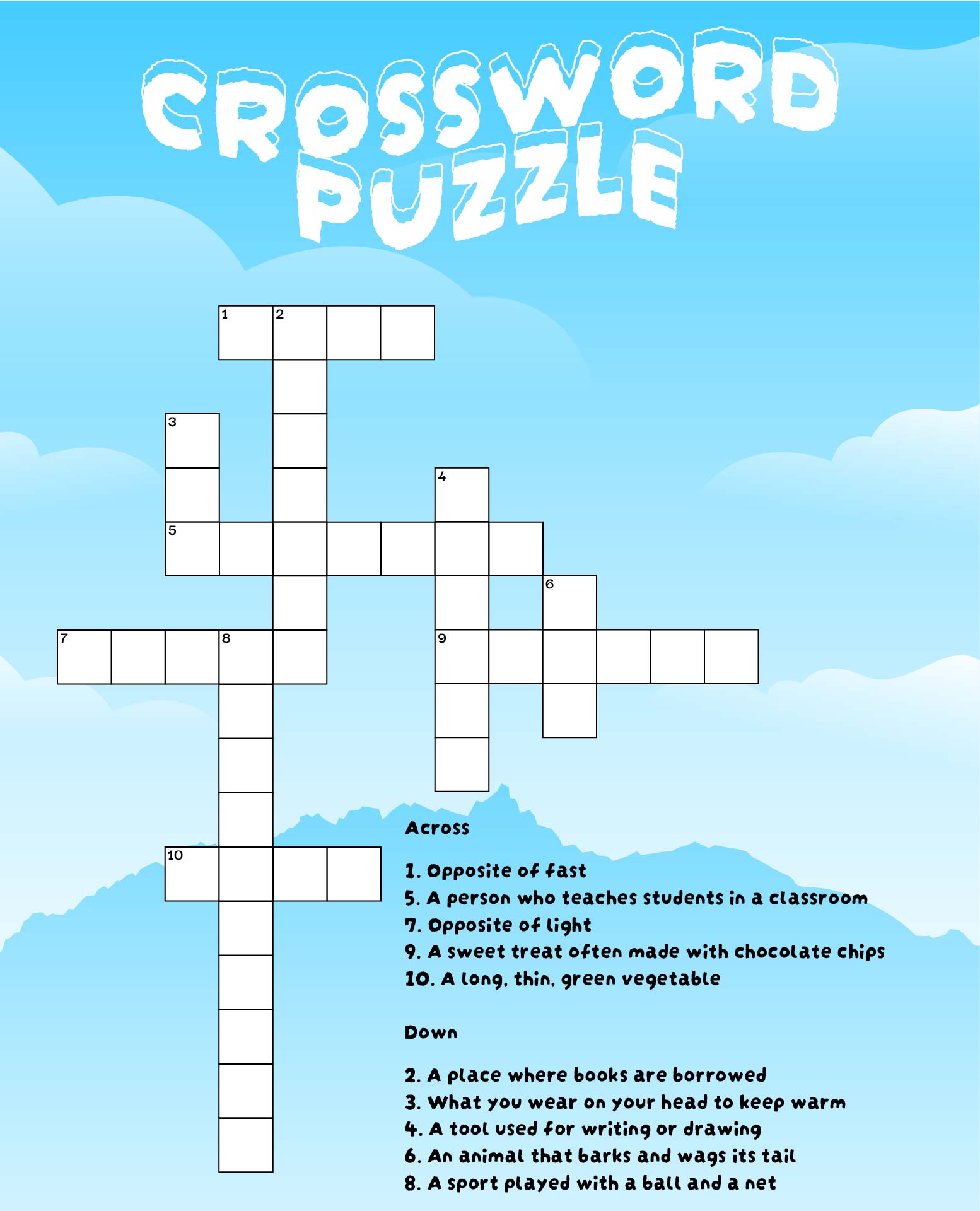
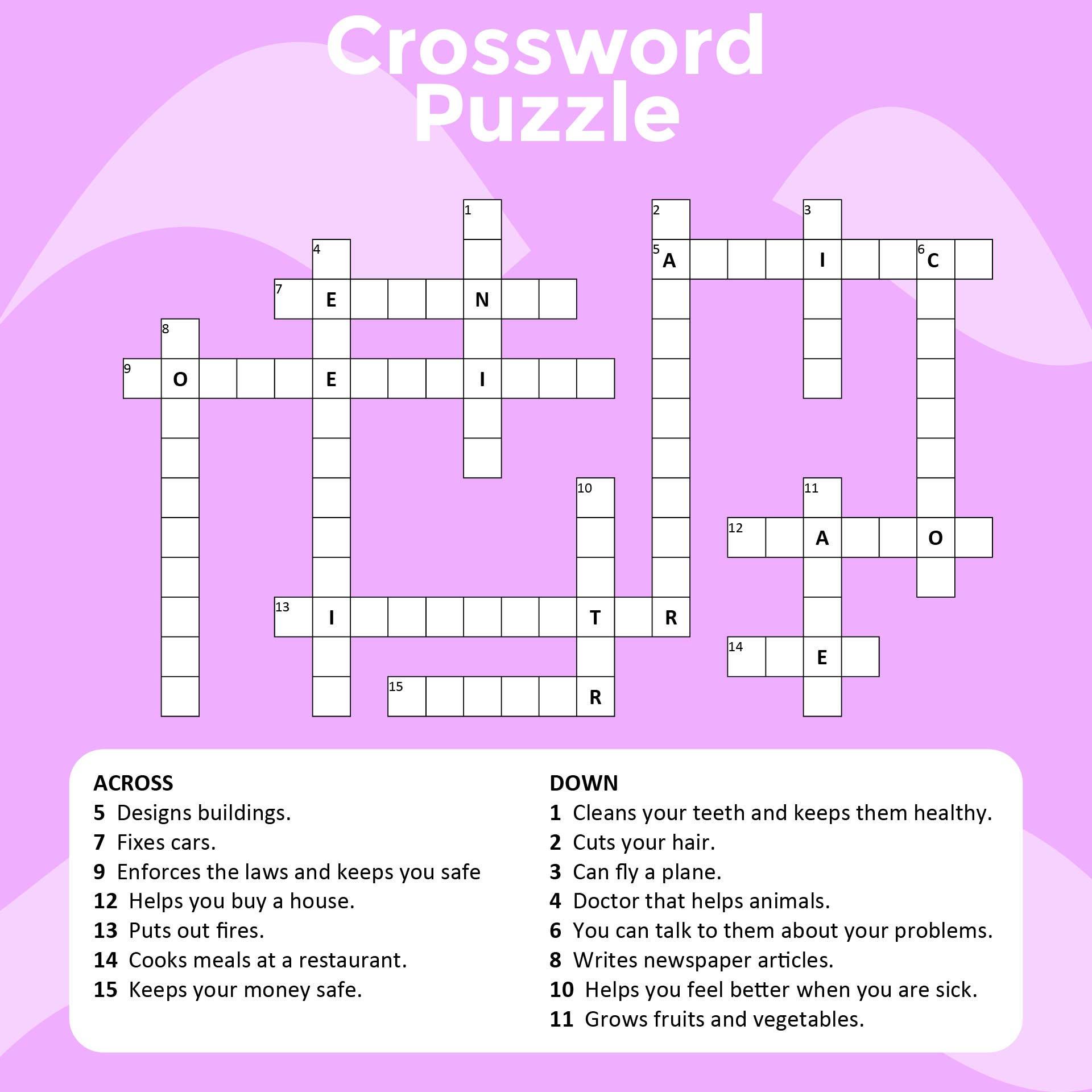
Crossword puzzles are an excellent way to engage students while enhancing their vocabulary and critical thinking skills. If you’re looking for examples of easy crossword puzzles, you’ve come to the right place. These puzzles can be used in various classroom settings, from elementary to middle school, and they offer a fun way for students to learn new words and concepts.
Benefits of Using Crossword Puzzles in the Classroom
Crossword puzzles provide a multitude of educational benefits. They encourage students to think critically and creatively while reinforcing language skills. Here are some key advantages:
- Vocabulary Enhancement: Students are exposed to new words and their meanings.
- Engagement: Puzzles are a fun way to learn, keeping students interested in the material.
- Problem-Solving Skills: Completing a crossword requires logical thinking and deduction.
- Collaboration: They can be solved individually or in groups, fostering teamwork.
Imagine incorporating these benefits into your lesson plans. Whether it’s a warm-up activity or a fun homework assignment, crossword puzzles can make learning more interactive.
Types of Easy Crossword Puzzles
There are several types of easy crossword puzzles suitable for various age groups and learning objectives. Here’s a breakdown:
Themed Crosswords
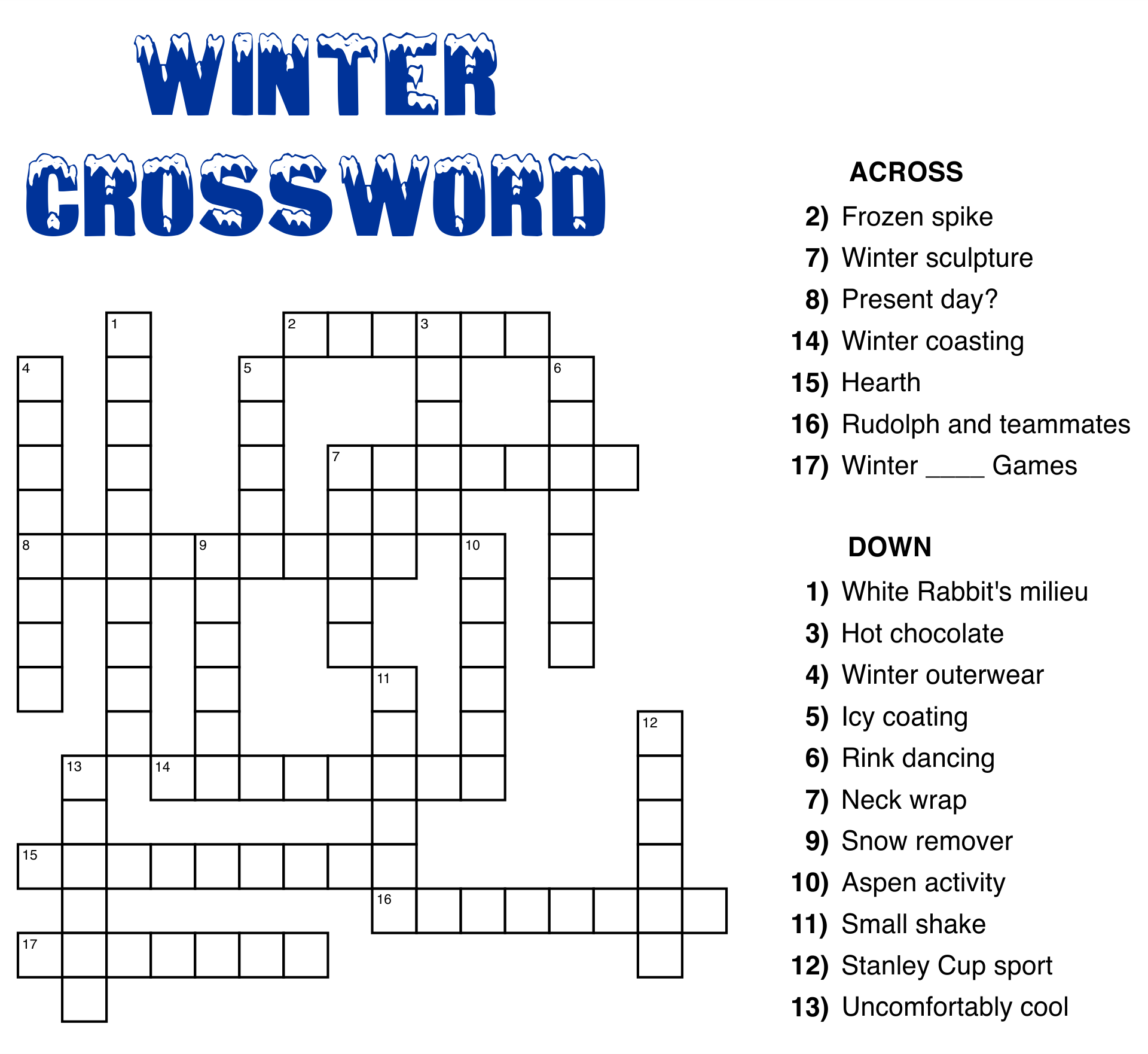
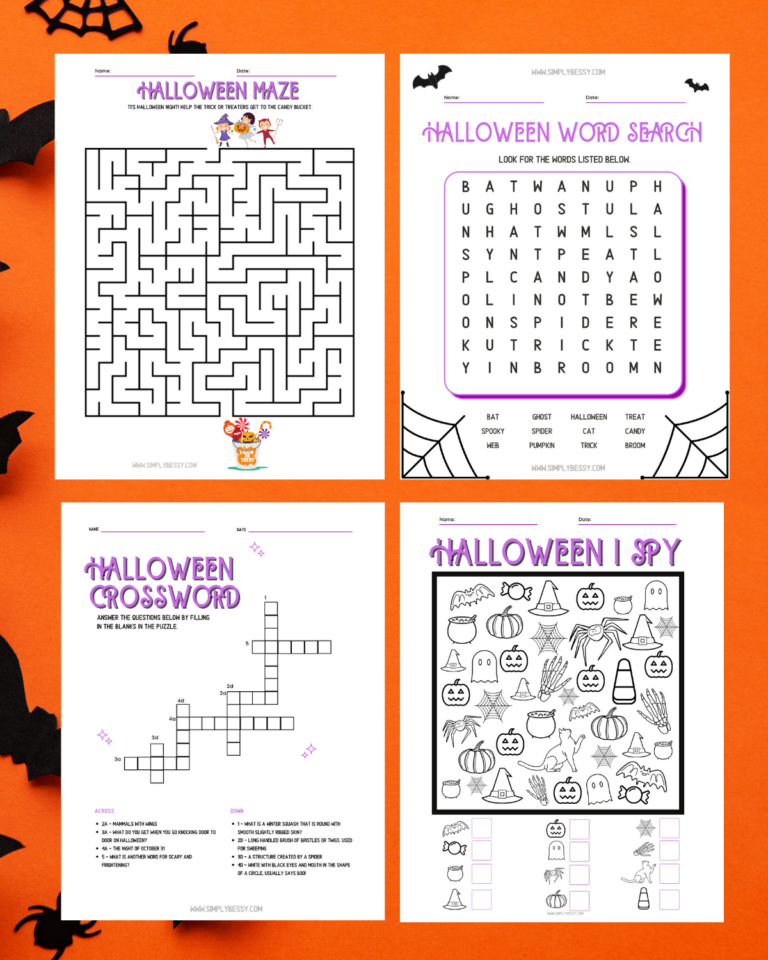
Themed crosswords focus on specific topics, such as holidays, animals, or science. For example, a holiday-themed crossword can help students learn related vocabulary while celebrating the season. You can create these by selecting a theme and compiling relevant words.
Vocabulary Building Crosswords
These puzzles are designed to enhance specific vocabulary sets. For instance, a crossword focusing on words related to a recent lesson can help reinforce what students have learned. This type is particularly useful for reviewing terms before a test or quiz.
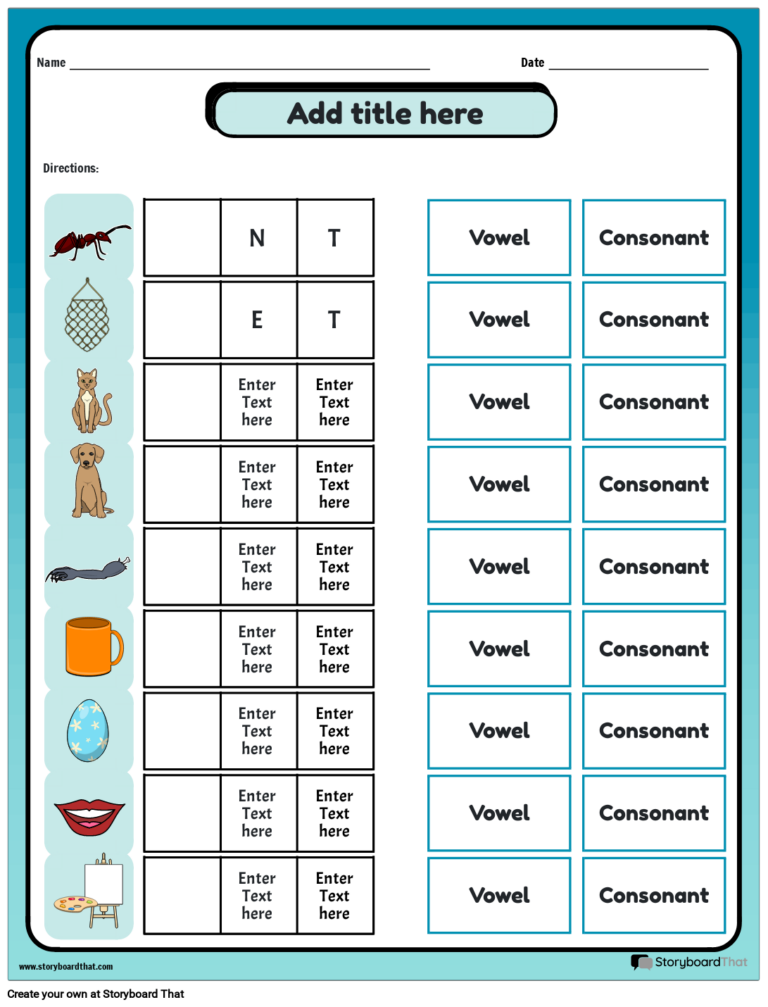
Picture Crosswords
Picture crosswords are visually engaging and often use images as clues instead of words. These are especially effective with younger students who may struggle with text-based clues. For example, showing a picture of a cat and using “cat” as the answer.
Creating Your Own Easy Crossword Puzzles
Creating your own crossword puzzles can be straightforward and rewarding. Here’s how you can do it:
- Choose a Theme: Decide on the topic that aligns with your lesson plan.
- Select Words: List out words that fit the theme and their corresponding clues.
- Use Online Tools: There are various online crossword puzzle makers that can simplify the process. You can input your words and clues, and the tool will generate a printable puzzle for you.
- Test It Out: Before handing it to your students, solve the puzzle yourself to ensure it’s appropriate for their skill level.
By making your own puzzles, you can tailor the content to fit your students’ needs perfectly.
Tips for Using Crossword Puzzles in the Classroom
To make the most out of crossword puzzles, consider the following tips:
- Set Clear Objectives: Define what you want your students to learn from the activity. Is it vocabulary retention, spelling, or perhaps teamwork?
- Integrate Technology: If possible, use digital crossword puzzles that students can complete on tablets or computers. This can add an element of novelty and appeal to tech-savvy learners.
- Encourage Collaboration: Have students work in pairs or small groups to solve puzzles. This promotes discussion and deeper understanding of the vocabulary.
- Provide Hints: For younger students or those who may struggle, don’t hesitate to offer hints or partial answers to help them along.
Printable Resources for Easy Crossword Puzzles
If you’re pressed for time or need immediate resources, many websites offer printable crossword puzzles. Look for sites that provide:
- Variety: Puzzles covering different topics and difficulty levels.
- Answer Keys: Helpful for teachers to quickly check student work.
- Customizable Options: Some sites allow you to input your own words and clues for tailored puzzles.
These resources can save you time while still providing your students with engaging material.
Adapting Crossword Puzzles for Different Learning Styles
Different students have varying learning styles, and crossword puzzles can cater to those differences. Here are a few adaptations you can consider:
- Auditory Learners: Pair crossword activities with verbal discussions or group reading sessions.
- Kinesthetic Learners: Incorporate movement by having students physically move to different stations to collect clues or words.
- Visual Learners: Use color-coded clues or illustrations alongside standard clues to enhance understanding.
By adjusting your approach, you can ensure that all students benefit from the activity.
Using examples of easy crossword puzzles in your classroom can enrich your teaching toolkit. With the right resources and a bit of creativity, you can create an engaging learning environment that keeps students excited about their education. After downloading or creating your puzzles, consider how you can integrate them into your lesson plans and enhance your students’ learning experience.