Crossword for a Young Child
Crossword puzzles are a fun and effective way to enhance vocabulary and critical thinking skills in young children. A crossword for a young child can introduce them to new words while encouraging problem-solving skills. This activity is great for various settings, whether in the classroom, at home, or during road trips. In this article, we’ll explore how to effectively use crossword puzzles with young learners.
Why Use Crosswords With Young Children?
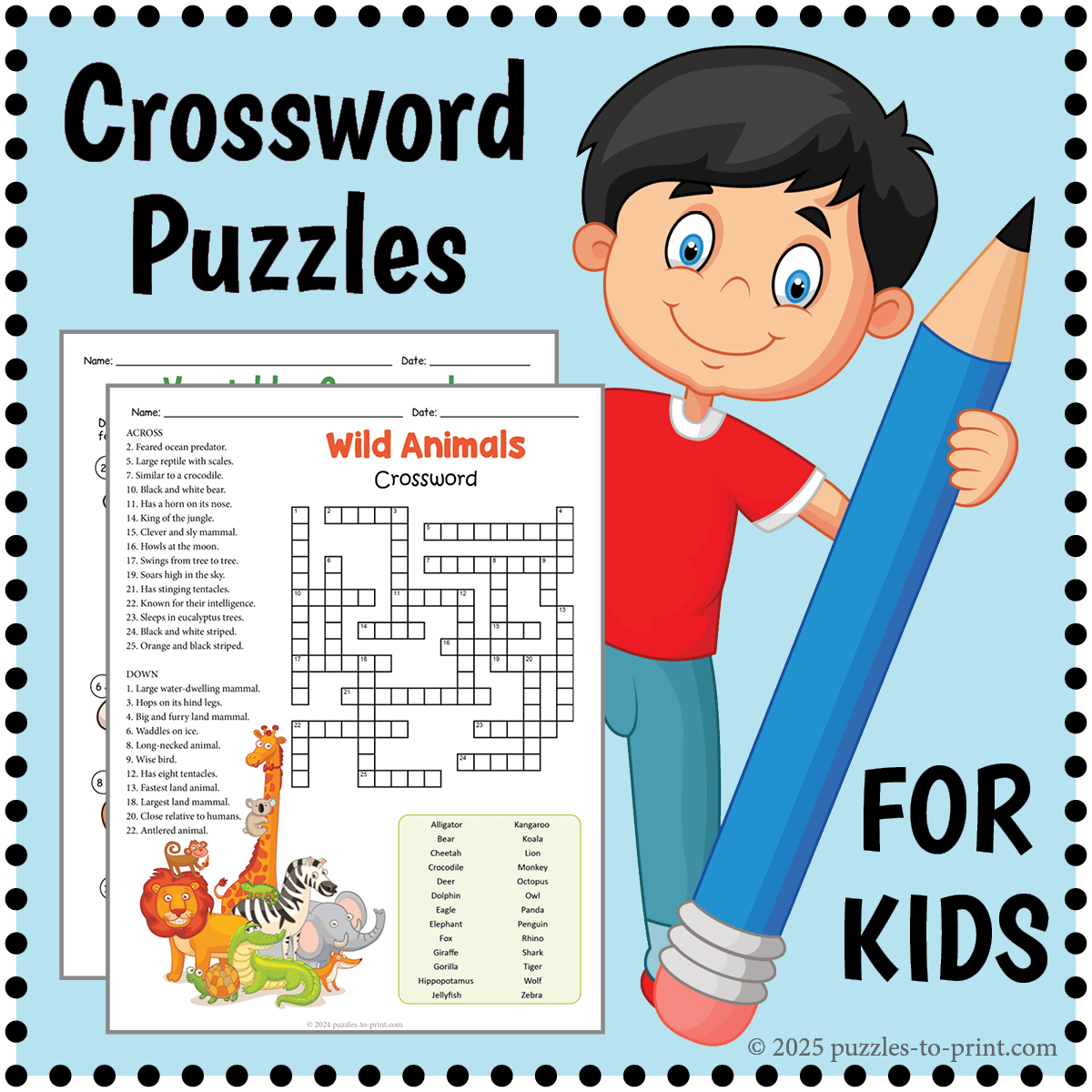
Crossword puzzles are not just entertaining; they also provide educational value. They help improve spelling, enhance vocabulary, and promote logical thinking. By solving crosswords, children learn to associate words with their meanings and contexts. This method of learning is particularly effective for visual and kinesthetic learners, as they engage with the material actively.
You can introduce crossword puzzles in various ways, making them suitable for different age groups. For preschool and early elementary students, use simple words related to familiar topics like animals or colors. This ensures the puzzles are age-appropriate and engaging.
Best Settings for Crossword Activities
Crossword puzzles can be used in multiple settings, making them a versatile educational tool. Here are a few ideal scenarios to consider:
Classroom Activities
In the classroom, crosswords can be a great group activity. You can divide students into small groups and let them work together to solve a puzzle. This encourages collaboration and communication. Additionally, consider creating themed crosswords that align with current lessons, making the activity relevant and exciting. For example, if your class is learning about nature, use a crossword that includes plant names and animal species.
Family Game Nights
Crosswords can also be a fantastic addition to family game nights. You can print a crossword puzzle and challenge family members to complete it in a set time. This not only enhances the fun but also promotes learning in a relaxed environment. Consider awarding points for completed puzzles, which can be redeemed for small prizes.
Quiet Time or Travel
For quieter moments, such as during waiting periods or car rides, crossword puzzles can keep children engaged and entertained. You can print puzzles ahead of time and have them ready for these situations. They can work independently or with a companion, making it a flexible option for various settings. Remember to include a variety of themes to keep their interest piqued.
Preparing and Customizing Crossword Puzzles
When preparing a crossword for a young child, consider the following tips to ensure it’s both fun and educational:
- Choose Age-Appropriate Words: Use simple and familiar words that the child can recognize. Common themes include animals, food, and everyday objects.
- Limit the Size: A smaller grid is less overwhelming for young learners. Aim for a 5×5 or 7×7 grid to start, which keeps the activity manageable.
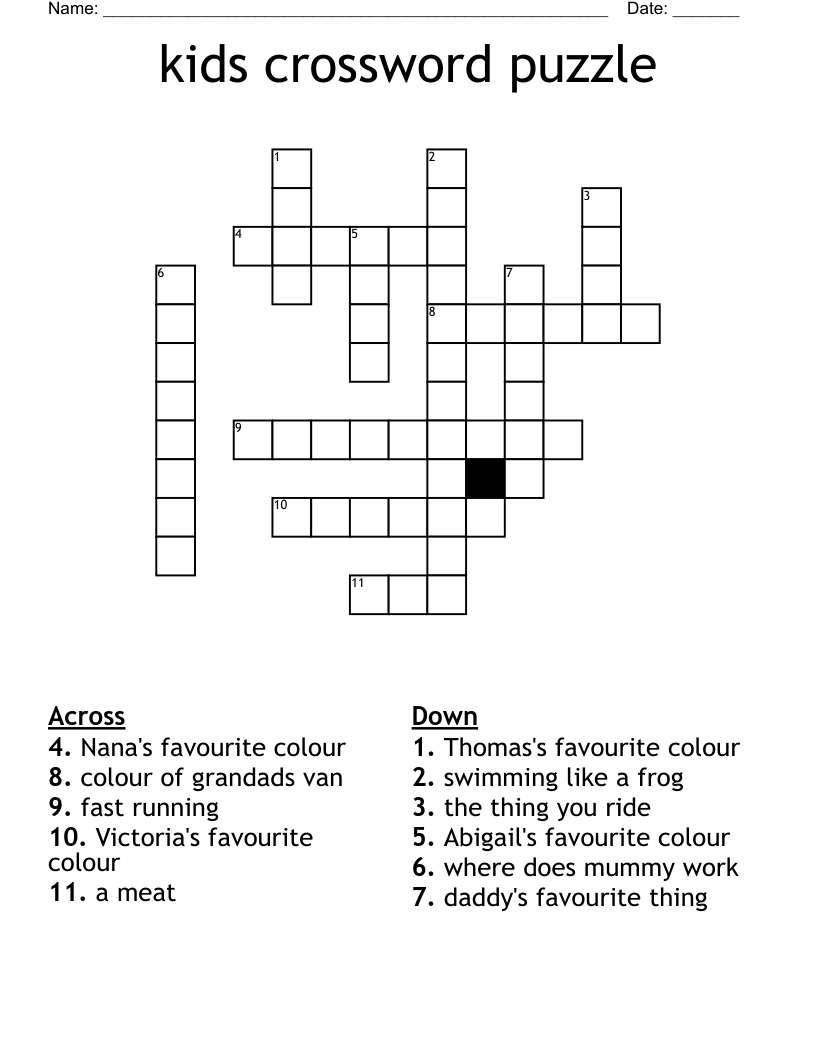
- Provide Hints: Include hints that are easy to understand. For example, instead of just providing a word, give a simple definition or a related question. This encourages children to think critically about the words.
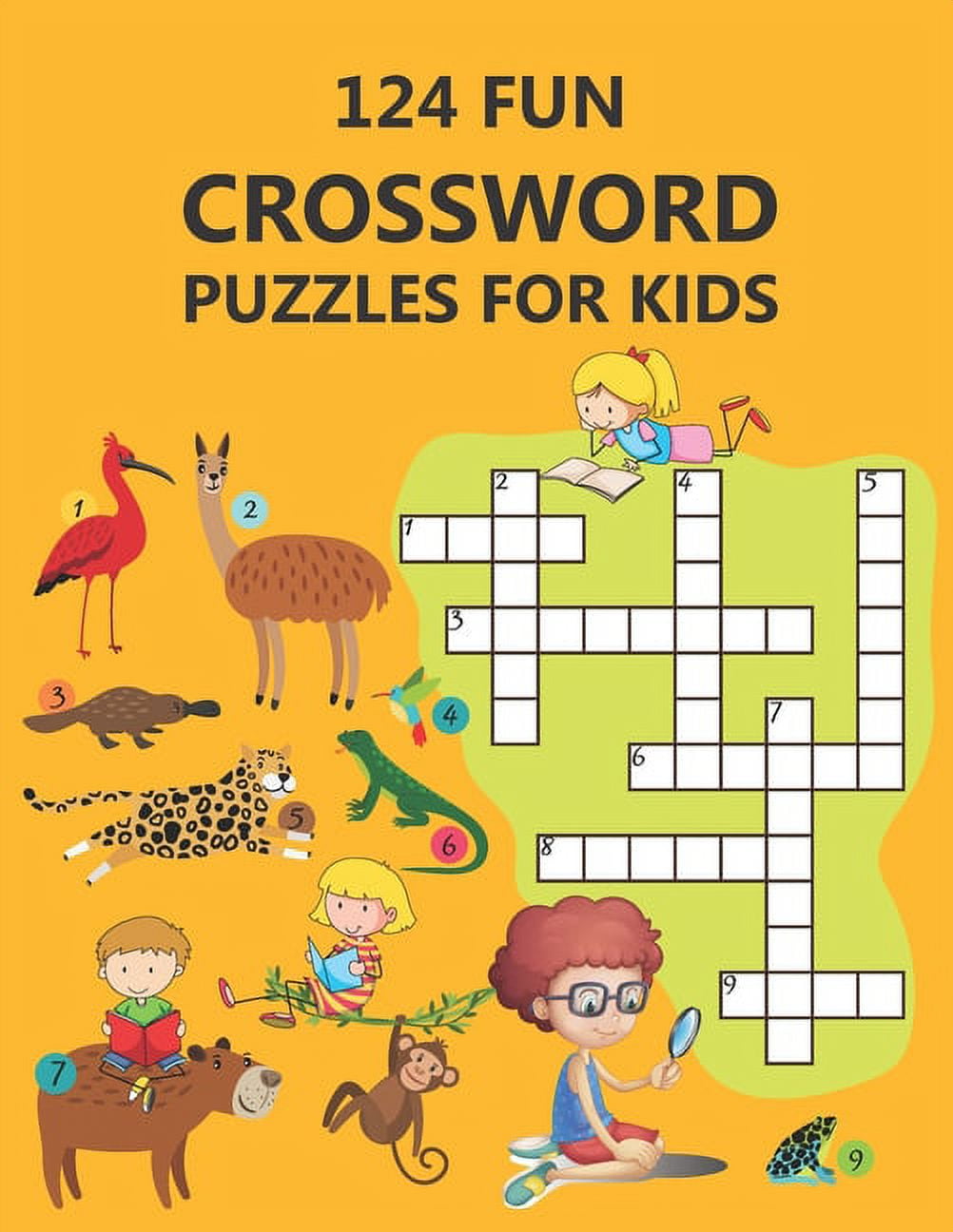
- Use Visual Aids: Incorporate images alongside the crossword for visual learners. This can help them make connections between the words and their meanings, reinforcing learning.
You can find free printable crossword templates online, which you can customize based on your young learner’s interests. Websites that focus on educational resources often offer themed crosswords that can be directly downloaded and printed.
Engaging Children With Crossword Games
Engagement is key when introducing crossword puzzles. Here are some ways to make the activity more interactive:
- Theme-Based Puzzles: Create puzzles based on holidays, seasons, or popular children’s shows. This makes the learning process more relevant and enjoyable. For instance, a holiday-themed crossword might include words like “tree,” “gift,” and “snow.”
- Group Challenges: In a classroom setting, turn it into a competition. See which group can finish their crossword the fastest. This adds an element of excitement and encourages teamwork.
- Reward System: Offer small rewards for completed puzzles, such as stickers or extra playtime. This can motivate children to participate actively and look forward to future puzzles.
Repeating the Activity for Continued Learning
Crossword puzzles can be a repeated activity in your teaching or parenting toolkit. Here’s how to keep the momentum going:
- Regularly Rotate Themes: Change up the themes of the crossword puzzles to keep children interested. This also allows them to learn new vocabulary continuously. For example, one week could focus on food, while the next could explore colors.
- Encourage Daily Practice: If possible, dedicate a few minutes each day to work on a crossword. This helps reinforce learning and makes it a routine activity. You might even consider making it a part of their morning routine.
- Track Progress: Keep a record of the puzzles completed by each child. This tracking can help you identify areas where they excel or need more practice. It can also serve as a fun way to celebrate their achievements.
Using crossword puzzles as a learning tool can significantly enrich a child’s vocabulary and problem-solving skills. By tailoring the puzzles to their interests and providing a supportive environment, you can make learning enjoyable and effective. Whether it’s in the classroom, at home, or on the go, a crossword for a young child can be a delightful and educational experience.