Children’s Crosswords Printable Uk
Children’s crosswords printable UK resources are excellent tools for enhancing vocabulary and spelling skills among young learners. These crosswords not only make learning fun but also encourage critical thinking and problem-solving. In this guide, I’ll walk you through how to effectively use these resources, the types available, and tips for integrating them into your teaching or home learning environment.
Understanding Children’s Crosswords
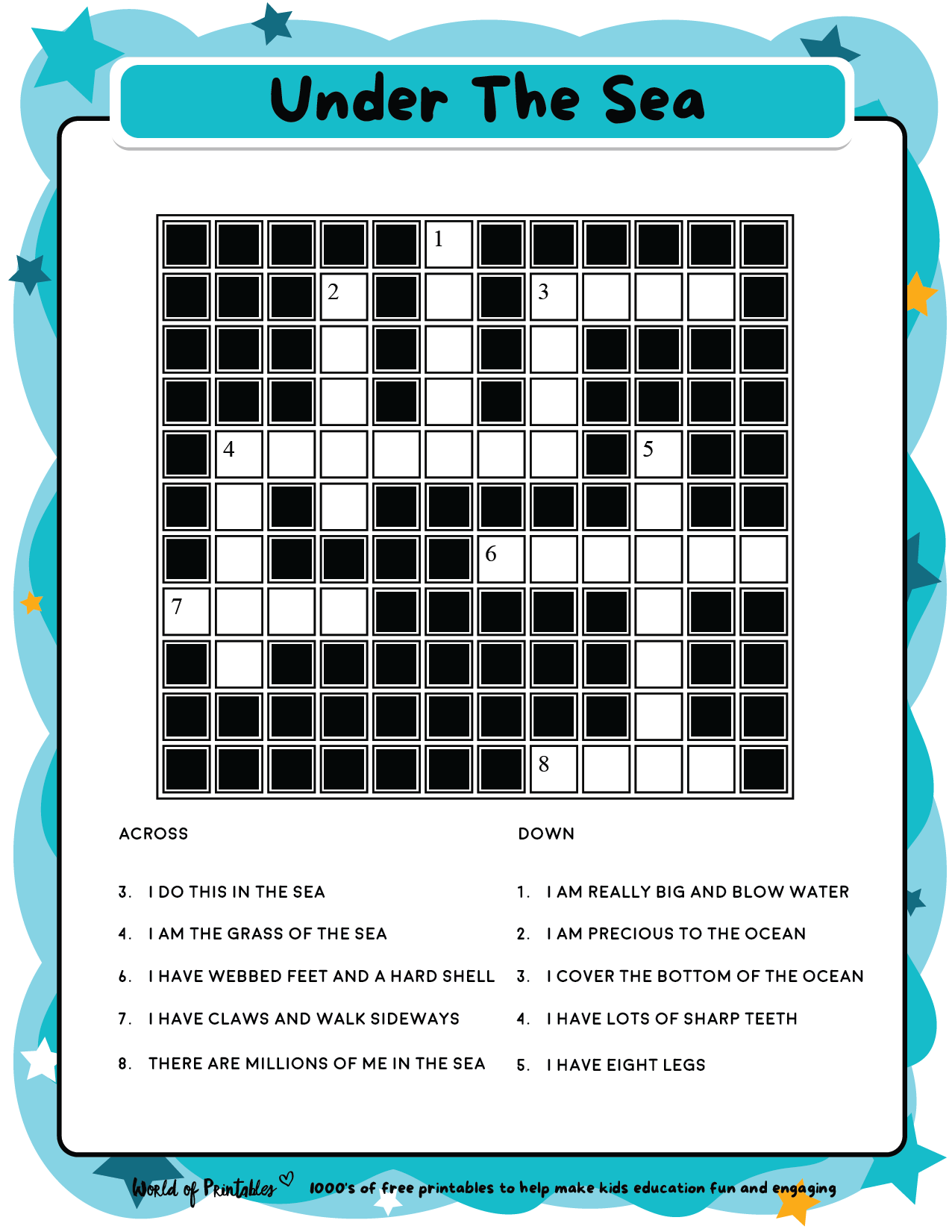
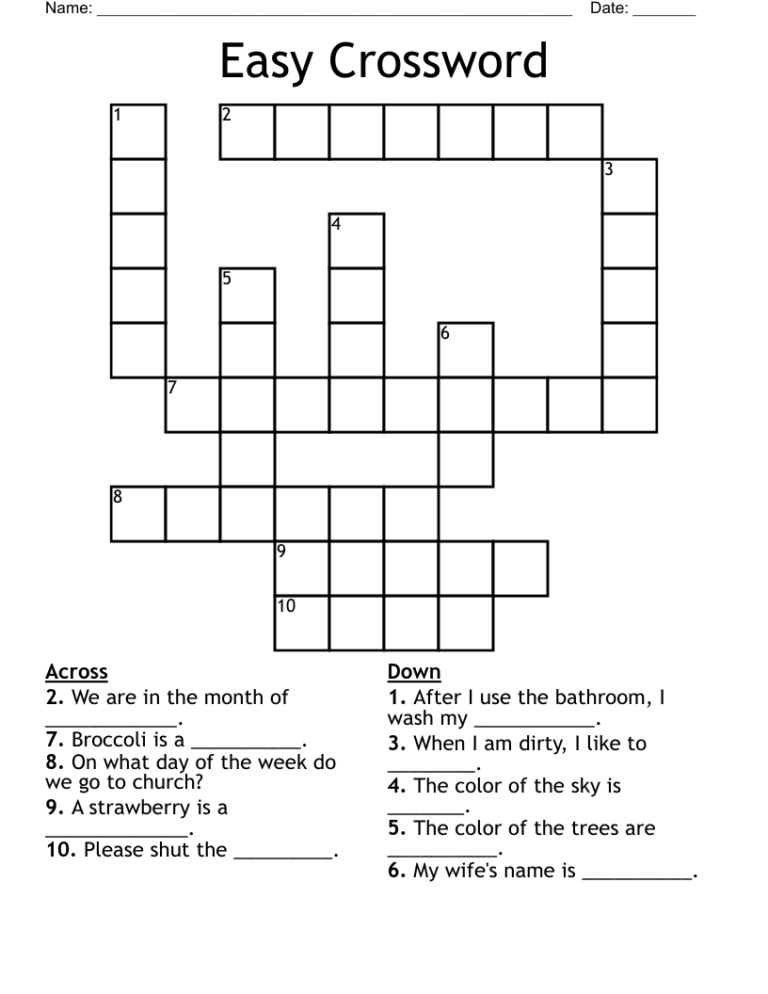
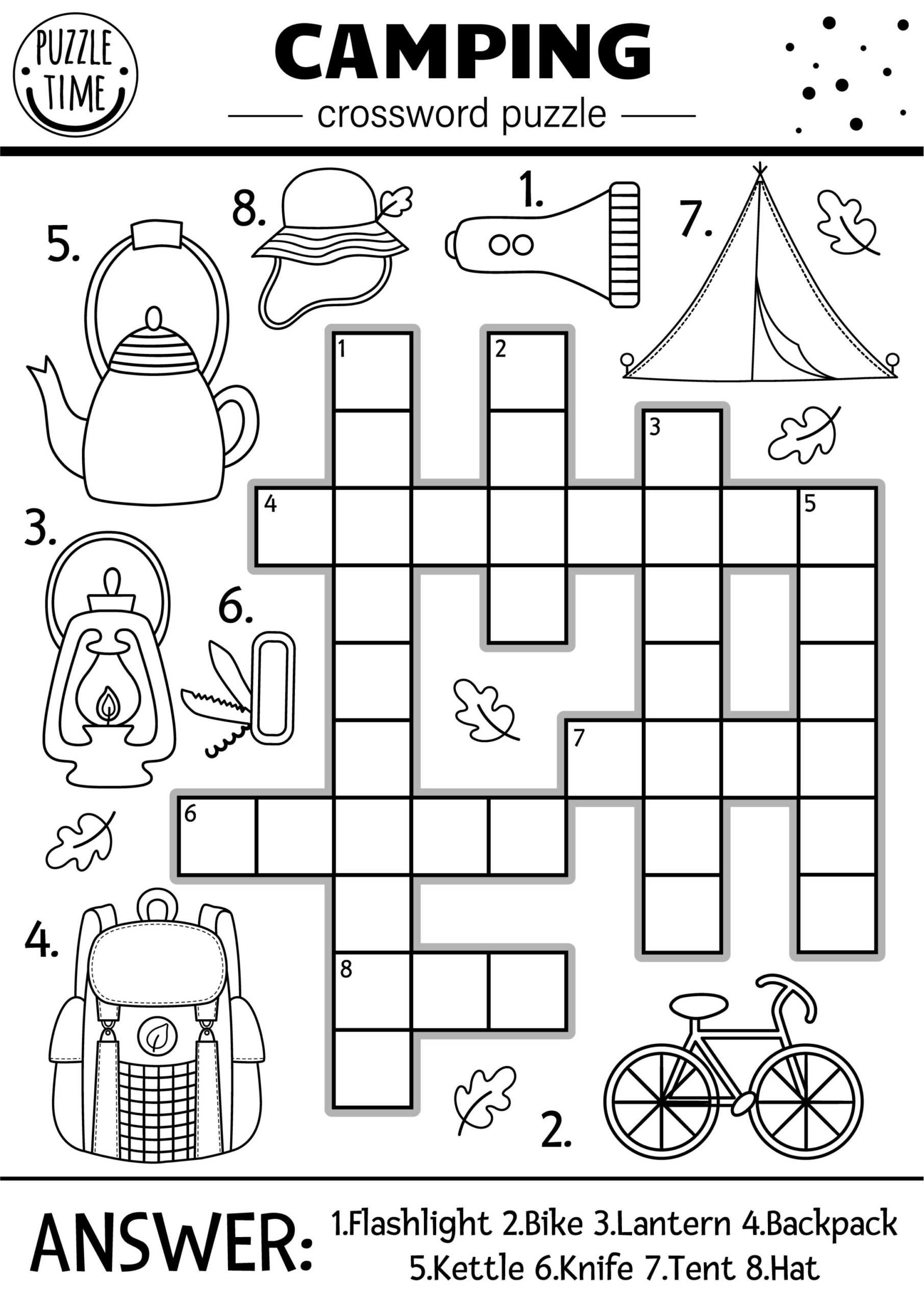
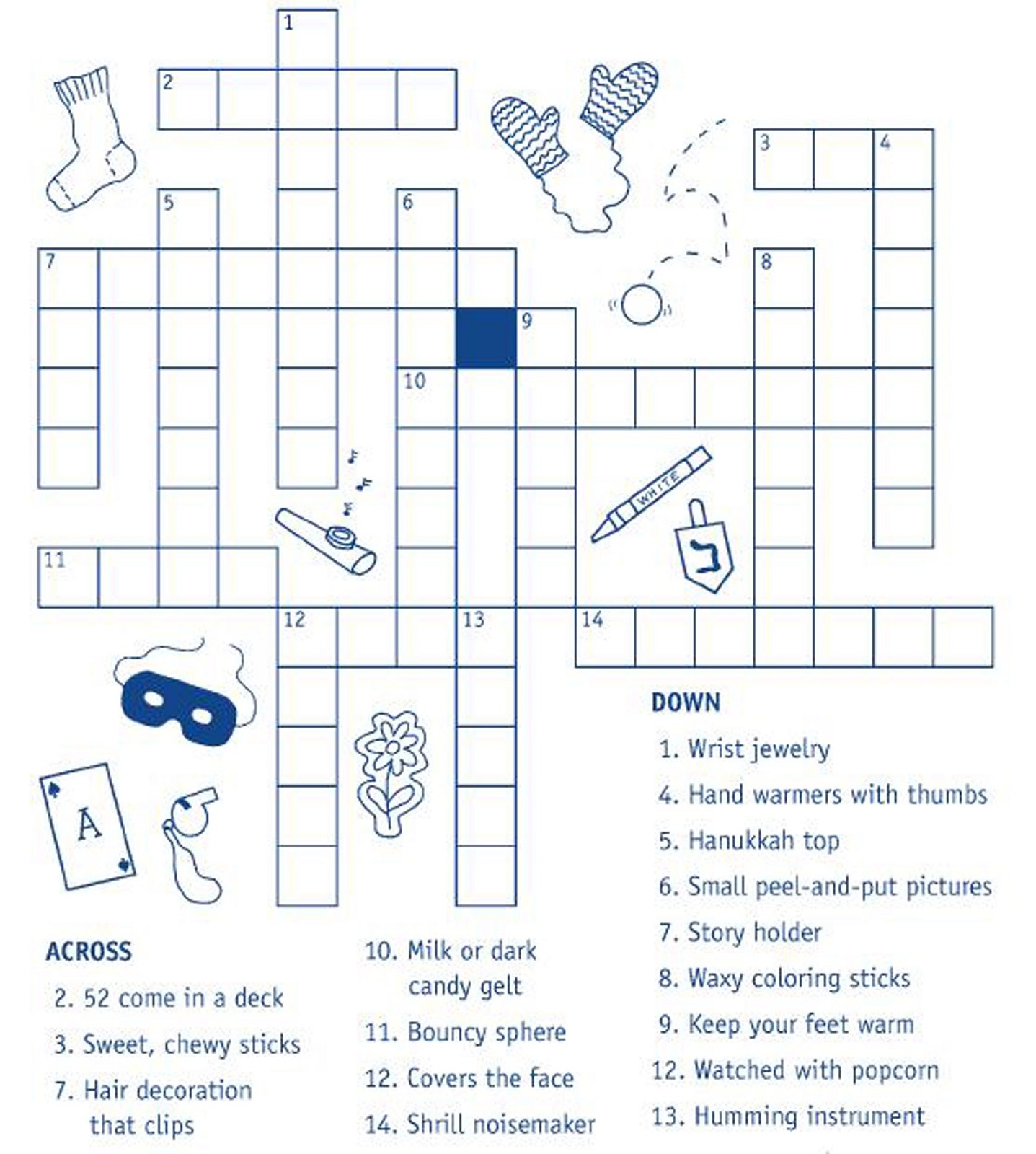
Children’s crosswords are puzzles designed specifically for kids, featuring age-appropriate words and themes. They can cover a variety of subjects like animals, sports, holidays, or even school-related vocabulary. These puzzles typically use simple words and clues, making them accessible for children in primary school.
When looking for children’s crosswords printable UK options, you’ll find a range of themes suitable for different age groups. The goal is to provide a fun and educational experience that reinforces language skills without overwhelming the child.
Benefits of Using Crosswords in Education
Incorporating children’s crosswords into your teaching can offer several benefits:
- Vocabulary Building: Crosswords introduce new words in an engaging way. As children fill in the blanks, they learn spellings and meanings.
- Critical Thinking: Solving crosswords requires kids to think critically about clues and word placement, enhancing their problem-solving skills.
- Reading Comprehension: They encourage children to read clues carefully, improving their comprehension and attention to detail.
- Motivation: The puzzle format makes learning enjoyable, helping to motivate reluctant learners and keeping them engaged longer.
Where to Find Printable Crosswords
Finding children’s crosswords printable UK resources is straightforward. Many educational websites offer free or paid downloads tailored for various age groups. Here are a few reliable sources:
- Educational Websites: Websites like Twinkl and Education.com provide a range of printable crosswords, often categorized by topic and grade level.
- Teacher Resources: Many teacher blogs and resource sites share free printable crosswords that can be downloaded directly.
- PDF Downloads: Look for crosswords available in PDF format for easy printing. This format maintains the layout, ensuring the puzzles print correctly without formatting issues.
When searching, use specific keywords like “children’s crosswords printable UK” to find the most relevant materials.
Tips for Using Crosswords Effectively
To make the most of children’s crosswords, here are some practical tips:
- Integrate with Curriculum: Use crosswords that relate to your current topics in class. For instance, if you’re teaching about animals, choose animal-themed crosswords to reinforce vocabulary.
- Group Activities: Encourage teamwork by having students work in pairs or small groups. This approach can foster collaboration and discussion about word meanings.
- Use as Homework: Assign crosswords as homework to reinforce what students have learned in class. This method helps them practice independently.
- Incorporate Technology: If you have access to tablets or computers, consider using online crossword tools where children can create their own puzzles. This adds an interactive element that enhances learning.
- Adjust Difficulty: Tailor the difficulty of the crosswords to the students’ skill levels. For younger children, use simpler words and clues, while older students can handle more complex puzzles.
Engaging Themes for Crosswords
Choosing the right theme can significantly impact student engagement. Here are some popular themes for children’s crosswords that you might consider:
- Seasonal Themes: Create crosswords based on holidays or seasons, such as Christmas, Halloween, or summer activities.
- Curriculum Themes: Design puzzles around subjects like science (e.g., planets, animals), history (e.g., famous figures), or literature (e.g., characters from stories).
- Everyday Vocabulary: Focus on everyday words that children encounter in their daily lives, such as foods, school supplies, or family members.
By selecting themes that resonate with your students, you can enhance their interest and motivation to solve the puzzles.