Crossword Puzzle for Kids in English
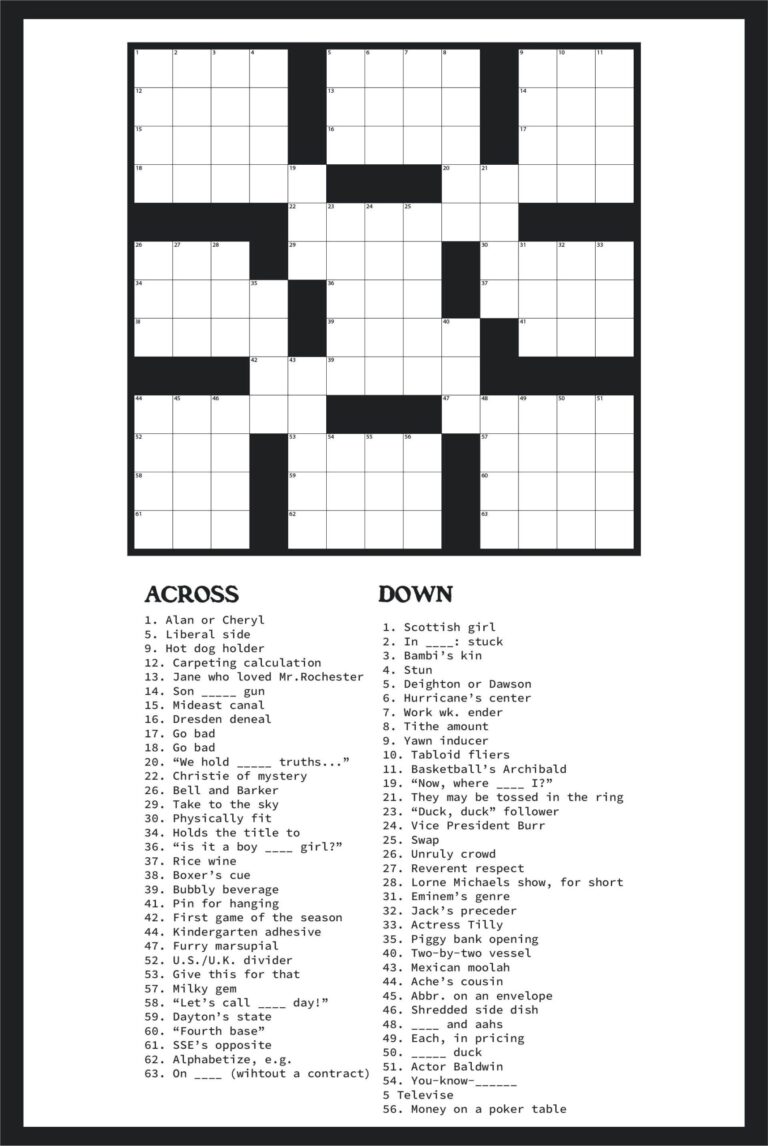
In a bustling classroom, Sarah, a third-grade teacher, glances at her students as they eagerly await the next activity. She knows that keeping their attention can be a challenge, especially after lunch. That’s when she decides to introduce a crossword puzzle for kids in English, a fun way to reinforce vocabulary while keeping her students engaged. explore how to effectively use crossword puzzles, from setup to variations for repeated use, ensuring they become a staple in your educational toolkit.
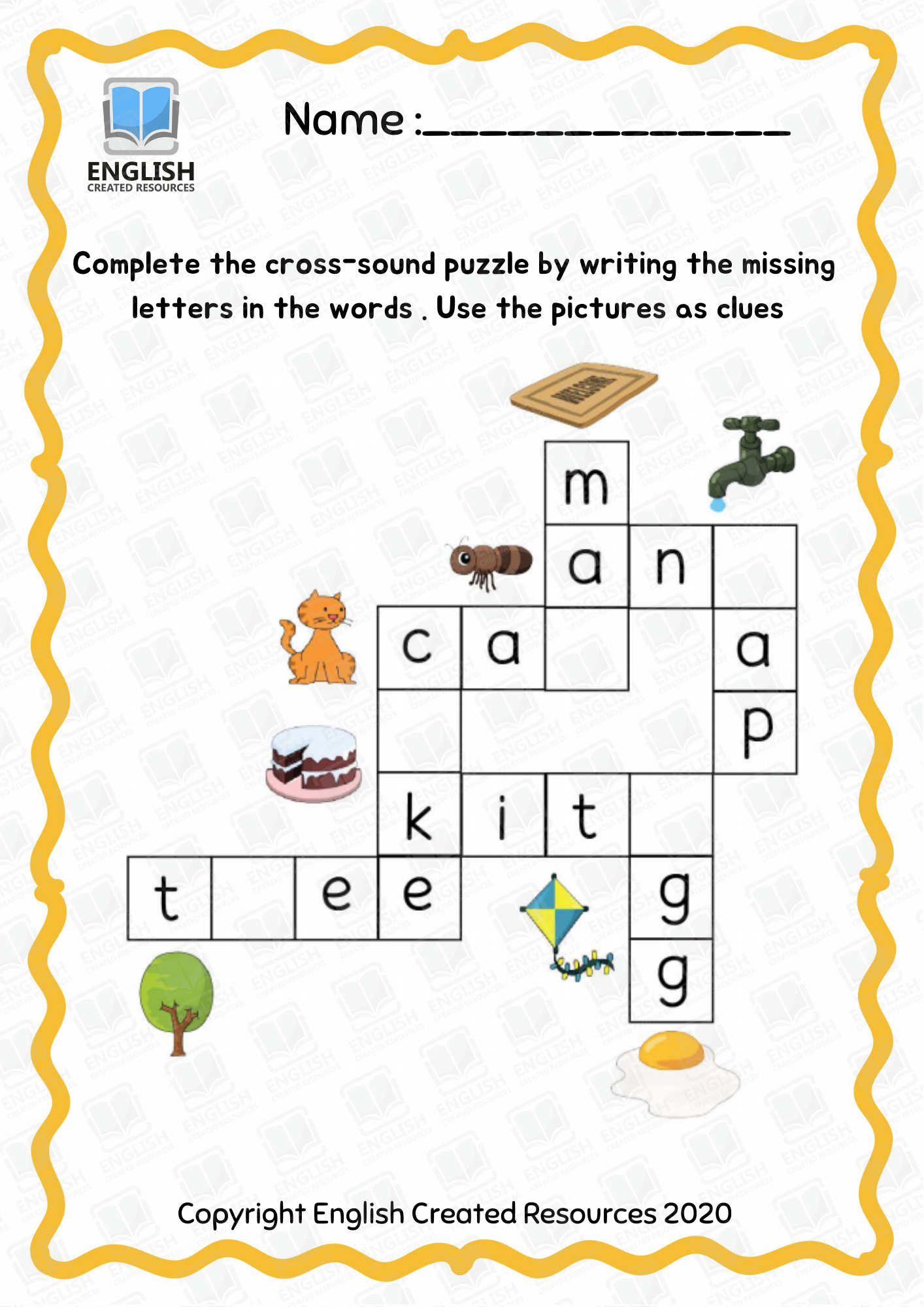
Why Choose a Crossword Puzzle for Kids?
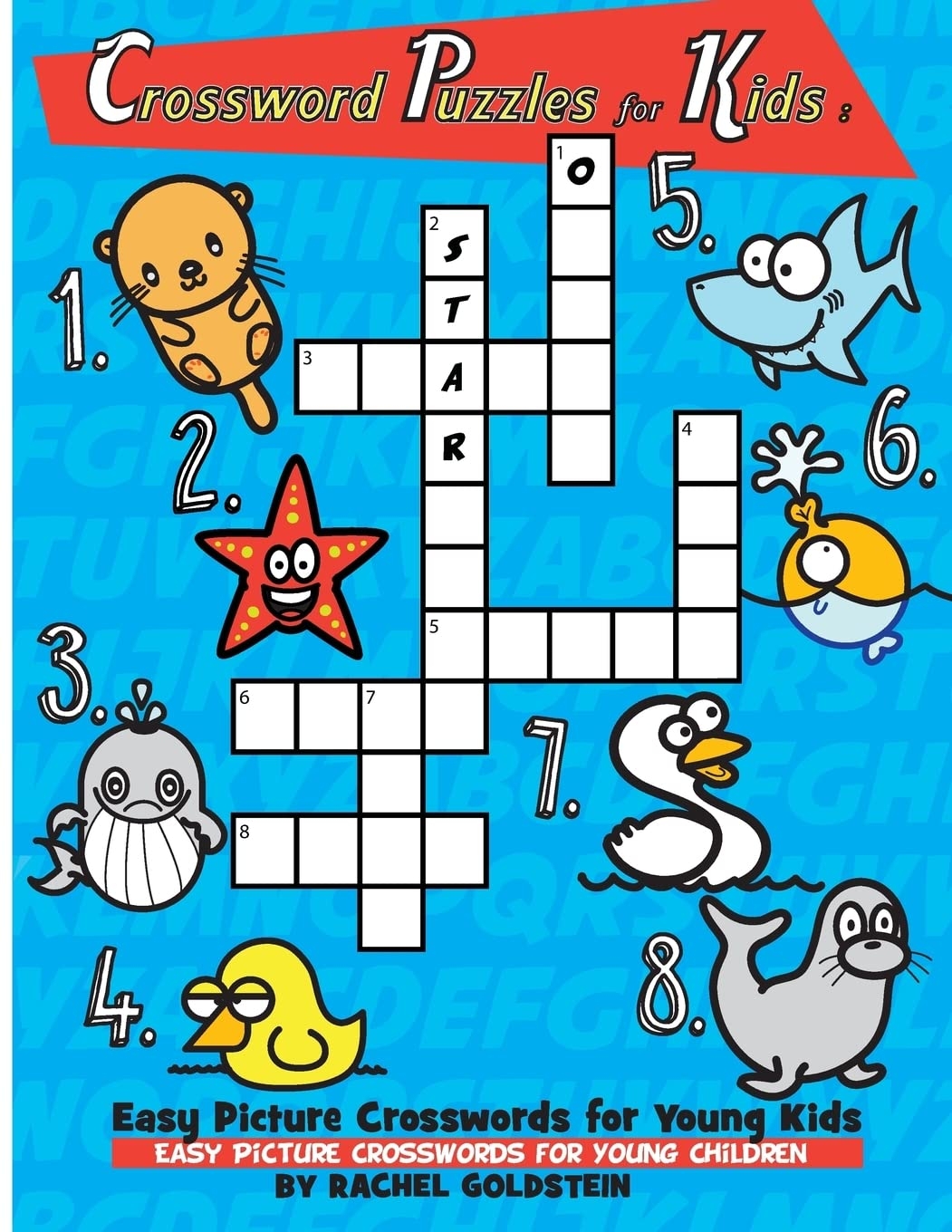
Crossword puzzles are an excellent resource for kids, serving multiple educational purposes. They help reinforce vocabulary, spelling, and even critical thinking skills. By incorporating a crossword puzzle into your lessons, you can create an interactive and enjoyable learning environment. These puzzles encourage children to think about words and their meanings, enhancing their language skills in a fun way.
Preparing the Crossword Puzzle
Before diving into the activity, preparation is key. Here’s how to get started:
- Select the Right Puzzle: Choose a crossword puzzle that matches your students’ grade level and learning objectives. For younger children, simpler puzzles with familiar vocabulary work best. You can find various printable resources online specifically designed for kids.
- Print and Distribute: Print out enough copies for your students. Using standard letter-sized paper (8.5 x 11 inches) is usually the best option for easy handling. If you’re expecting a lot of use, consider printing on cardstock for durability.
- Set Up the Classroom: Arrange the desks so that students can work independently or in small groups. Make sure there are enough writing tools available, such as pencils or crayons, to keep things organized and neat.
Introducing the Activity
When it’s time to introduce the crossword puzzle, here are some steps to ensure a smooth experience:
- Explain the Purpose: Tell your students that they will be solving a crossword puzzle, which will help them learn new words. This sets a positive tone and sparks interest.
- Review Key Vocabulary: Before handing out the puzzles, go over the vocabulary words that will be included. This could be done through a quick discussion or a mini-lesson, depending on the students’ familiarity with the terms.
- Provide Instructions: Clearly explain how to fill in the crossword puzzle. Remind students to read the clues carefully and think about the words that fit both across and down.
Scaling Difficulty for Different Levels
One of the great things about crossword puzzles is their flexibility in difficulty levels. Here are a few ways to adjust the challenge:
- For Younger Students: Use simpler words and provide a word bank. This way, they can focus on matching words to clues without feeling overwhelmed.
- For Older Students: Increase the complexity by using synonyms or antonyms as clues, or removing the word bank entirely. This encourages them to think critically about what they know.
- Repeat Use: To keep the activity fresh, consider rotating puzzles weekly or biweekly, incorporating new vocabulary each time. You can also create themed puzzles around holidays or specific subjects they are studying.
Engaging Extensions
Once your students have completed the crossword puzzle, consider extending the activity to reinforce learning further:
- Group Discussions: After finishing, allow students to discuss their answers with a partner or in small groups. This can help them articulate their thought processes and clarify any misunderstandings.
- Creative Writing: Ask students to choose five words from the puzzle and write sentences or a short story using those words. This reinforces vocabulary usage in context.
- Puzzle Creation: Challenge students to create their own crossword puzzles using vocabulary words they’ve learned. This can be an engaging project that fosters creativity and deeper understanding of the words.
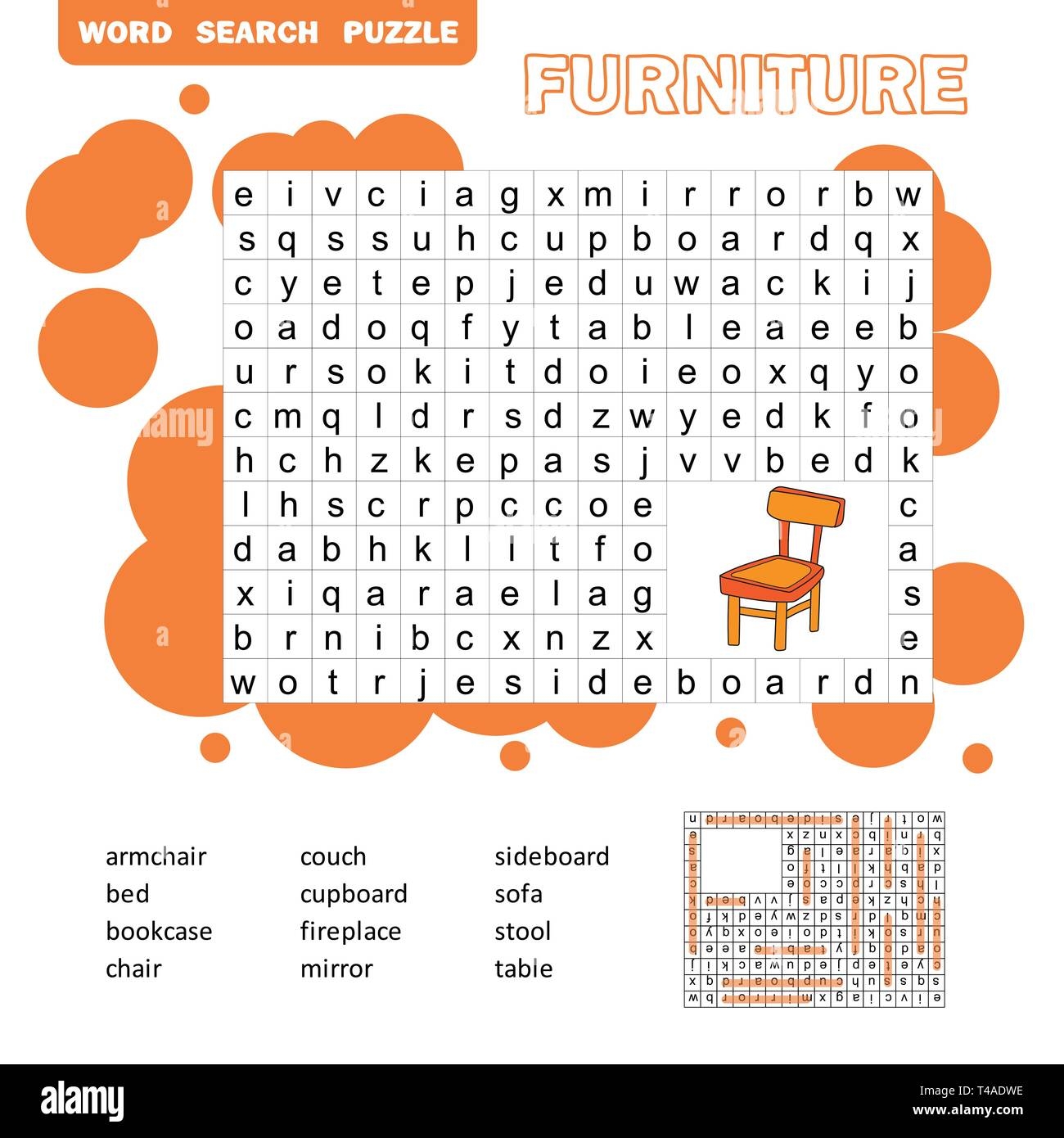
Key Considerations for Success
To make the most out of using crossword puzzles in your teaching, keep these tips in mind:
- Monitor Engagement: Pay attention to how engaged your students are. If they seem frustrated, consider simplifying the puzzle or offering more guidance.
- Use as Assessment: Crossword puzzles can serve as a form of assessment, allowing you to gauge your students’ understanding of vocabulary and concepts.
- Encourage Teamwork: Pair students or allow for small group work. Collaboration can lead to better engagement and collective problem-solving.
Using a crossword puzzle for kids in English can be a delightful way to enhance vocabulary and foster a love for learning. By preparing effectively, modifying difficulty, and extending the activity, you’ll create an enriching educational experience.
Start by downloading a crossword puzzle today, print it out, and watch your students light up with excitement as they look at this engaging learning activity!