10 12 Year Old Crossword
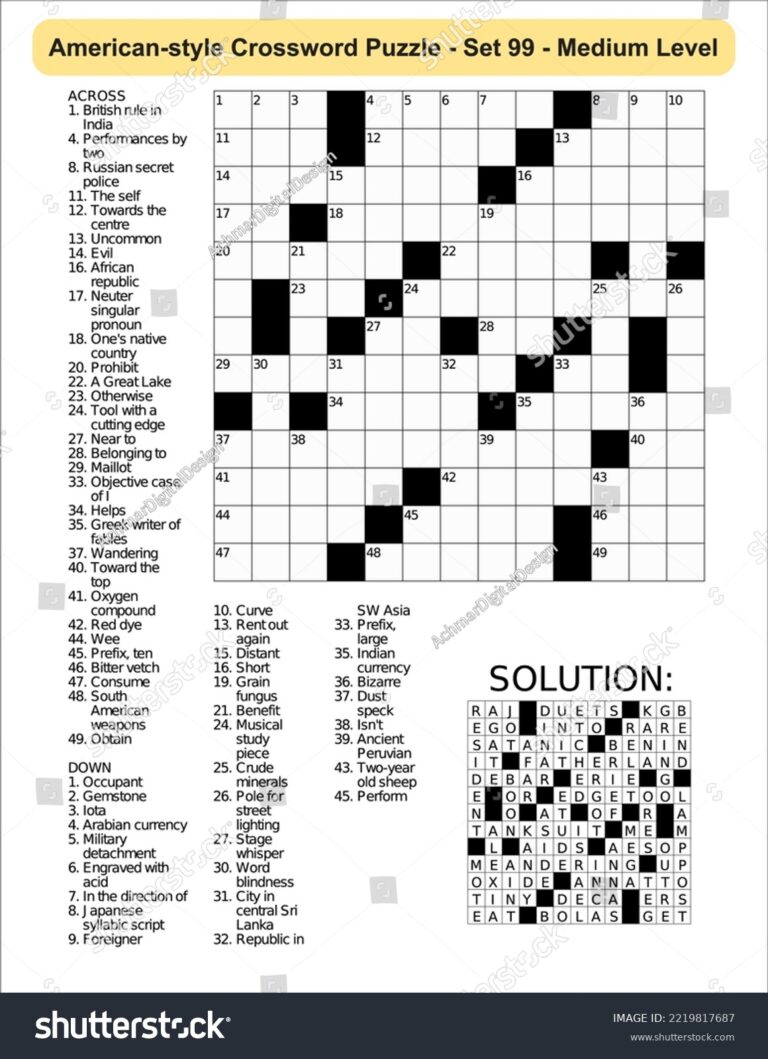
As the clock ticked down to the end of the school day, Sarah eagerly awaited her students’ arrival. Today was special; she had a stack of 10 12 year old crossword puzzles ready to go. These puzzles are not just entertaining; they’re a fantastic way to boost vocabulary and critical thinking skills among preteens. If you’re a teacher or parent looking to enrich learning through fun, exploring crossword puzzles can be a great strategy.
Why Use Crossword Puzzles in Learning?
Integrating crossword puzzles into your teaching methods can significantly enhance a child’s learning experience. For 10-12 year olds, these puzzles challenge their vocabulary while promoting spelling and comprehension skills. They also encourage independent thinking as students must recall and apply their knowledge to solve clues.
Crosswords can be used across various subjects, from language arts to science and history. This versatility makes them an excellent resource for classroom activities, homework assignments, or even family game nights.
How to Prepare for a Crossword Activity
Before diving into the puzzles, a little preparation can go a long way. Here’s how to set up a crossword activity effectively:
- Gather Materials: You’ll need printed copies of the crossword puzzles, pencils or pens, and possibly a timer for added excitement. Consider having some markers on hand for younger learners who enjoy coloring.
- Set the Environment: Create a quiet space where students can focus. Desks can be arranged in small groups to encourage collaboration, or students can work individually if you prefer.
- Introduce the Topic: Briefly explain the crossword puzzle’s theme. If it’s related to a specific subject, take a moment to review key vocabulary that will appear in the puzzle. This pre-activity discussion primes their brains for the task ahead.
- Provide Instructions: Make sure students understand how to fill in the crossword. Explain how to read the clues and that answers can be found both vertically and horizontally.
- Timing the Activity: You might choose to set a time limit to create a sense of urgency. A 20-30 minute timeframe is generally suitable, but adjust according to the complexity of the puzzle and your students’ abilities.
Engaging Students With Crossword Puzzles
Once the students are settled and the puzzles are distributed, it’s time for them to get to work. Here are some tips to keep them engaged:
- Encourage Collaboration: Allow students to work in pairs or small groups. This not only makes the activity more social but also encourages discussion about the answers.
- Offer Hints: If students get stuck, provide hints or encourage them to skip a clue and come back later. This helps maintain momentum and keeps frustration levels low.
- Use as a Teaching Tool: As students solve the puzzles, you can highlight certain vocabulary words or concepts that align with your curriculum. This reinforces their learning while making the activity relevant.
Repeat Use and Variations
Crossword puzzles are not a one-time activity. Here are some creative ways to reuse them or modify the experience:
- Themed Puzzles: Create themed crosswords for different seasons, holidays, or subjects. For instance, a spring-themed puzzle could include words related to nature, weather, and activities.
- Crossword Competitions: Host a friendly competition where students race to complete their puzzles correctly. This adds an element of excitement and can be a fun way to reward quick thinking.
- Crossword Creation: Challenge students to create their own crossword puzzles using vocabulary words from recent lessons. This not only reinforces their understanding but also allows them to think critically about how to construct clues.
- Digital Versions: If you have access to technology, consider using online crossword puzzle generators. These can provide instant feedback and allow for self-paced learning.