Easy Crossword Puzzles for Elementary Students
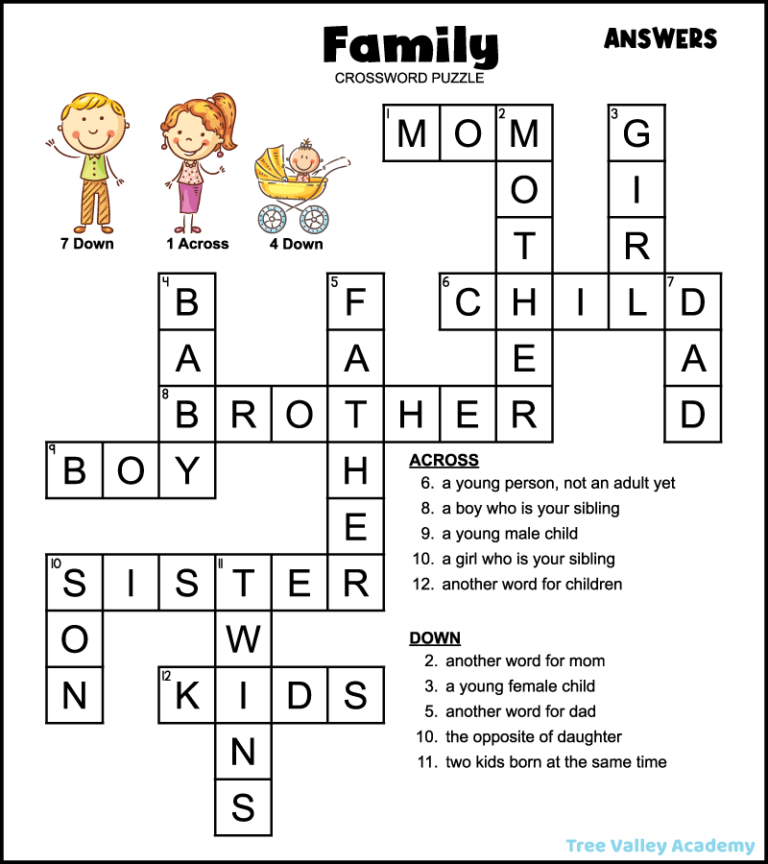
Crossword puzzles can be an excellent educational tool for elementary students, providing a fun way to enhance vocabulary, spelling, and problem-solving skills. Easy crossword puzzles for elementary students are specifically designed to be approachable, featuring age-appropriate words and themes. guide you through the benefits of using these puzzles, how to implement them in your classroom, and ways to keep the activity fresh and engaging.
Why Use Easy Crossword Puzzles in the Classroom?
Easy crossword puzzles serve multiple educational purposes. They help students improve their language skills while making learning enjoyable. Here are several reasons to consider incorporating them into your lesson plans:
- Vocabulary Building: Puzzles encourage students to think about word meanings and spelling, reinforcing their vocabulary.
- Critical Thinking: Solving a crossword requires students to use logic and reasoning, which are essential skills in any subject.
- Engagement: Students often find puzzles more engaging than traditional worksheets, making learning feel less like a chore.
- Group Work Opportunities: They can be solved individually or in pairs, promoting teamwork and communication skills.
How to Implement Easy Crossword Puzzles
To effectively use easy crossword puzzles for elementary students, follow these steps:
1. Choose Appropriate Topics
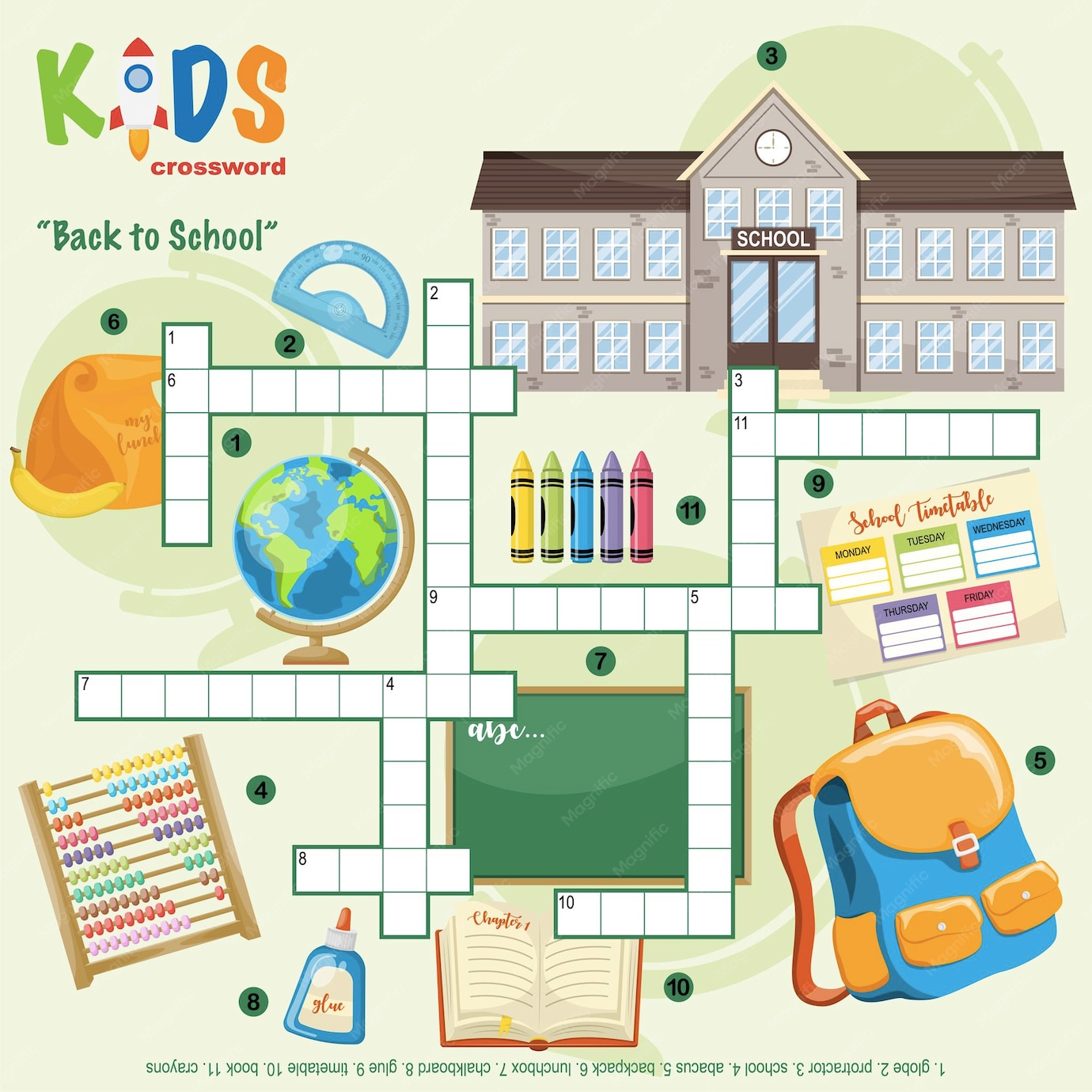
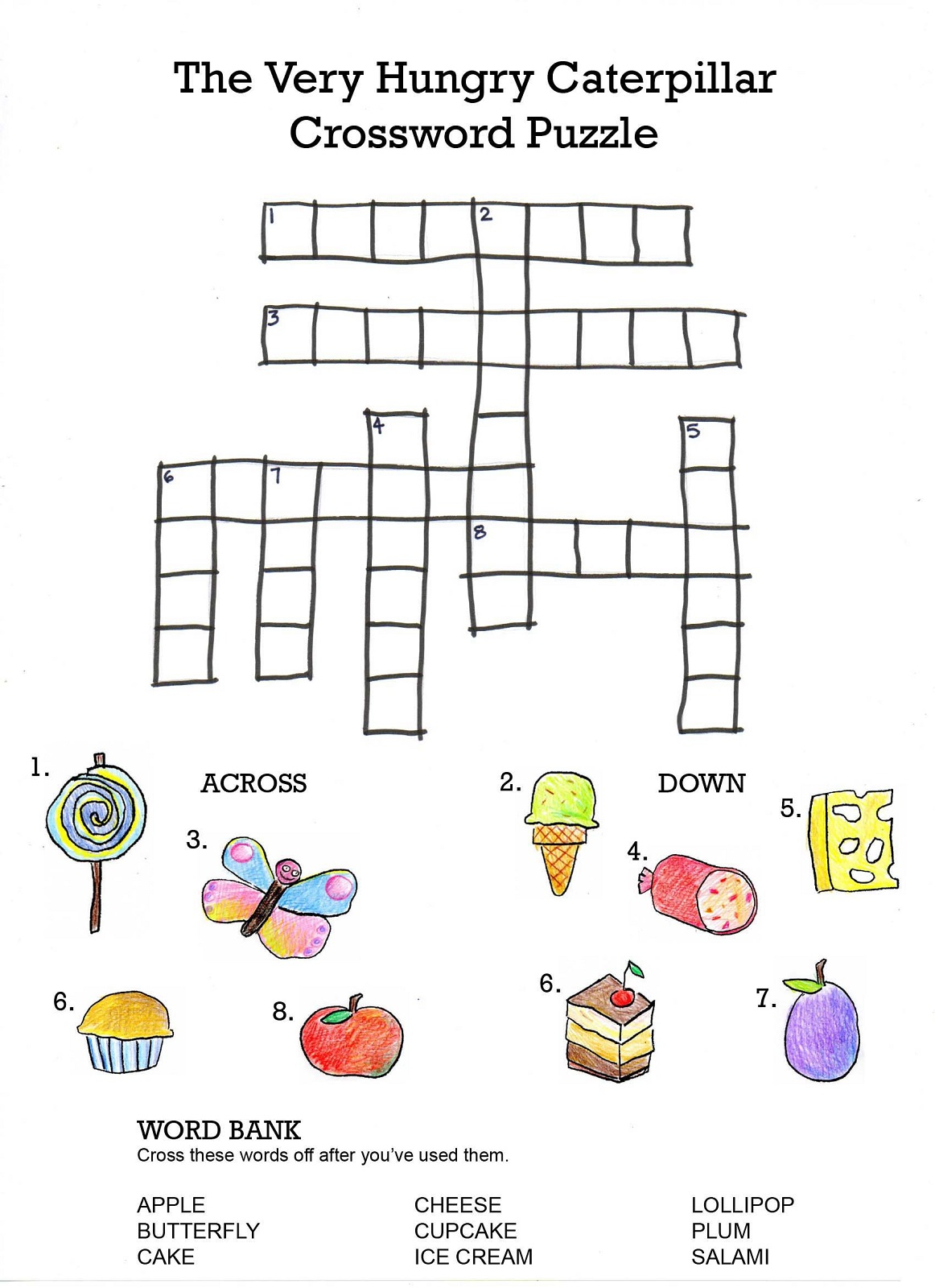
Select themes that resonate with your students and align with your curriculum. Popular themes include:
- Animals
- Seasons
- Holidays
- School subjects (math, science, etc.)
- Story characters from books they read
2. Provide Clear Instructions
Before handing out the puzzles, explain how to solve them. You might say:
- “Each word goes into a box, and the clues are either across or down.”
- “You can use the letters already filled in to help you guess the other words.”
Make sure students understand the rules and know where to find the clues.
3. Distribute Puzzles
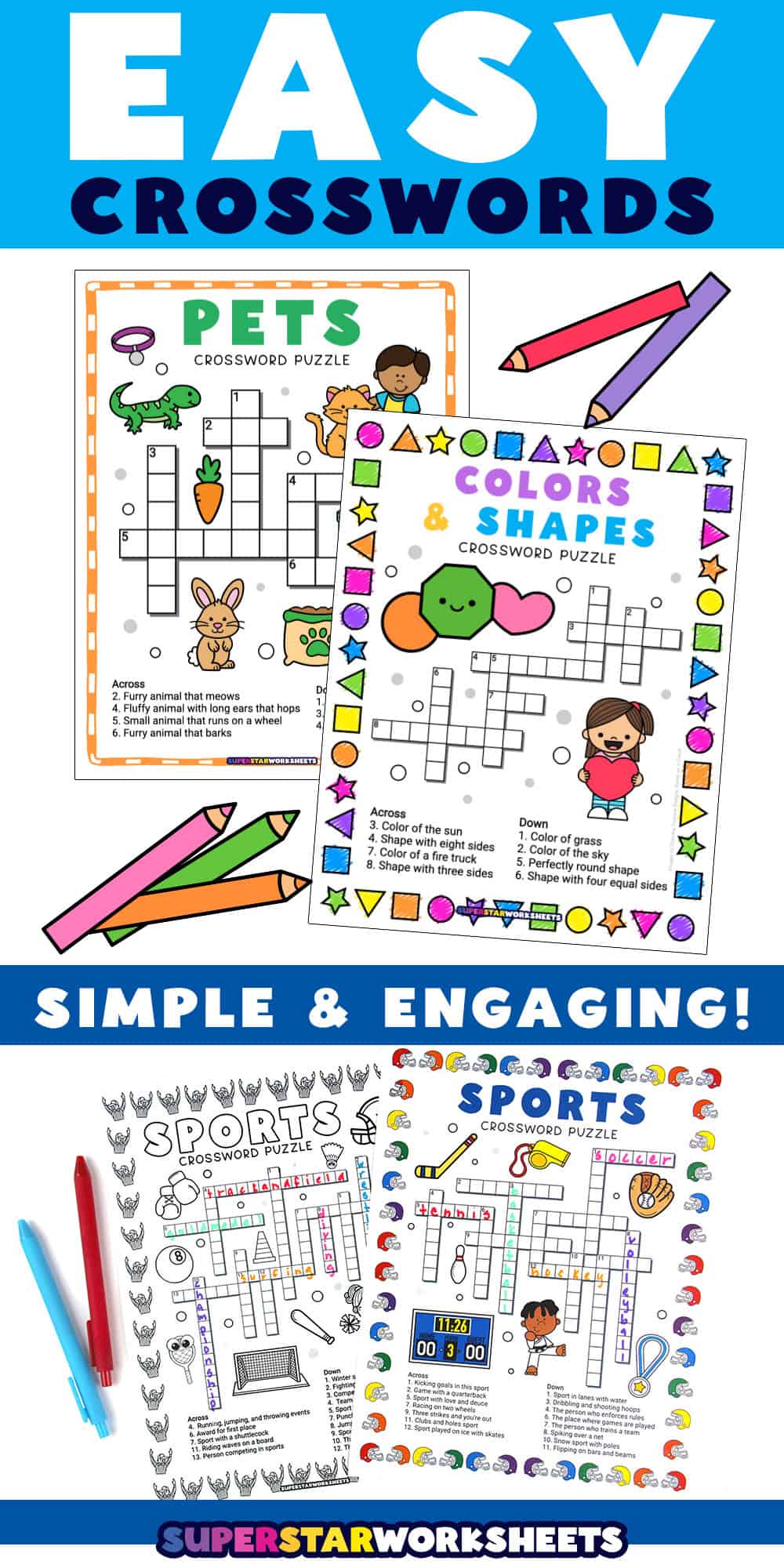
You can create your own easy crossword puzzles or download pre-made ones. If you’re using printable resources, keep these tips in mind:
- Paper Size: Standard letter size (8.5 x 11 inches) works best for printing.
- Print Quality: Ensure the puzzles are printed clearly, so students can easily read the clues and fill in the answers.
- Format: PDF format ensures the layout stays consistent across different devices and printers.
4. Monitor Progress
As students work on the puzzles, circulate around the room. Offer assistance to those who may be struggling and encourage collaboration among peers. You can also use this time to assess which vocabulary words they understand and which may need further review.
Keeping Crossword Puzzles Fresh and Engaging
Repetition can lead to boredom, so it’s essential to keep the activity lively. Here are several ideas for maintaining interest:
1. Themed Days
Introduce themed crossword puzzles that match what you’re learning in class. For example, if you’re studying a particular book, create a crossword with characters and settings from that story.
2. Seasonal Puzzles
Use seasonal themes to tie puzzles to holidays or events. A holiday-themed crossword can make learning festive and fun.
3. Technology Integration
Consider using digital platforms that allow students to solve crossword puzzles online. Many websites offer interactive crossword puzzles that can be a refreshing change from paper-based ones.
4. Competition
Introduce a friendly competition by timing students or having them work in teams. This can motivate them to complete puzzles faster while still focusing on accuracy.
5. Create Your Own
Encourage students to make their own crossword puzzles. This activity combines creativity with learning, as they must think critically about word choices and clues.