Easy Quiz to Grade Crossword
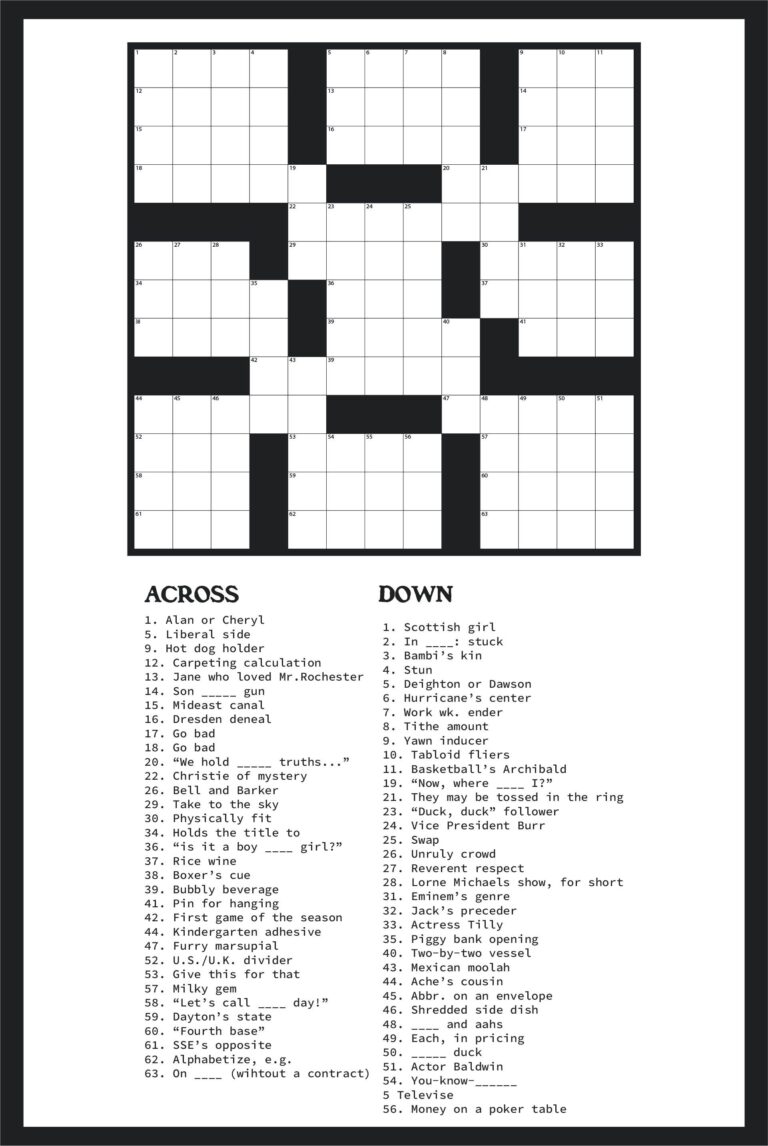
Creating an easy quiz to grade crossword is a fantastic way to blend learning with fun. Crosswords engage students’ critical thinking and vocabulary skills, making them ideal for various subjects. Not only do they serve as a teaching tool, but they also provide a quick and enjoyable method for grading. Here’s how you can effectively use crosswords in your classroom or at home.
Understanding the Format of Crosswords
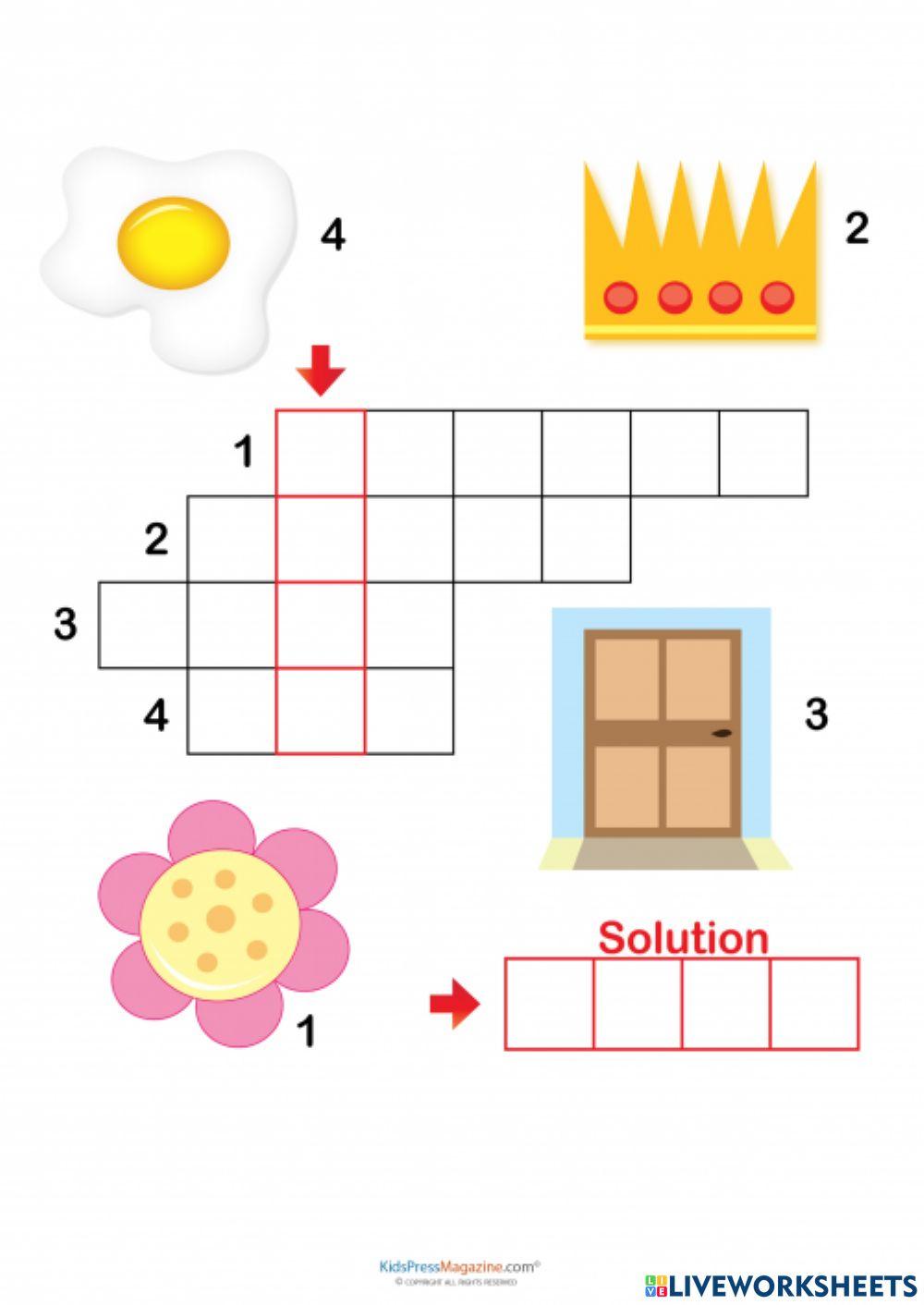
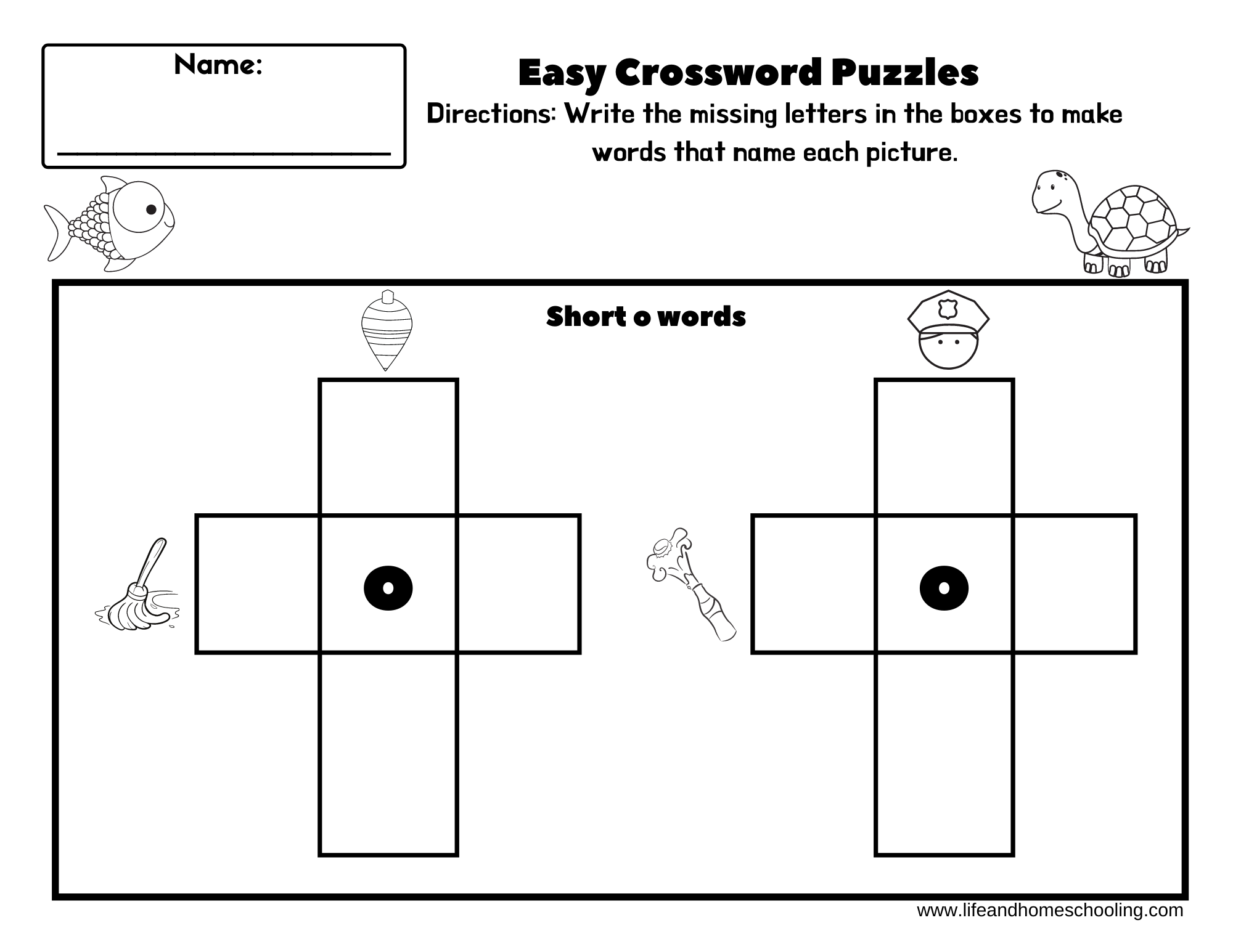
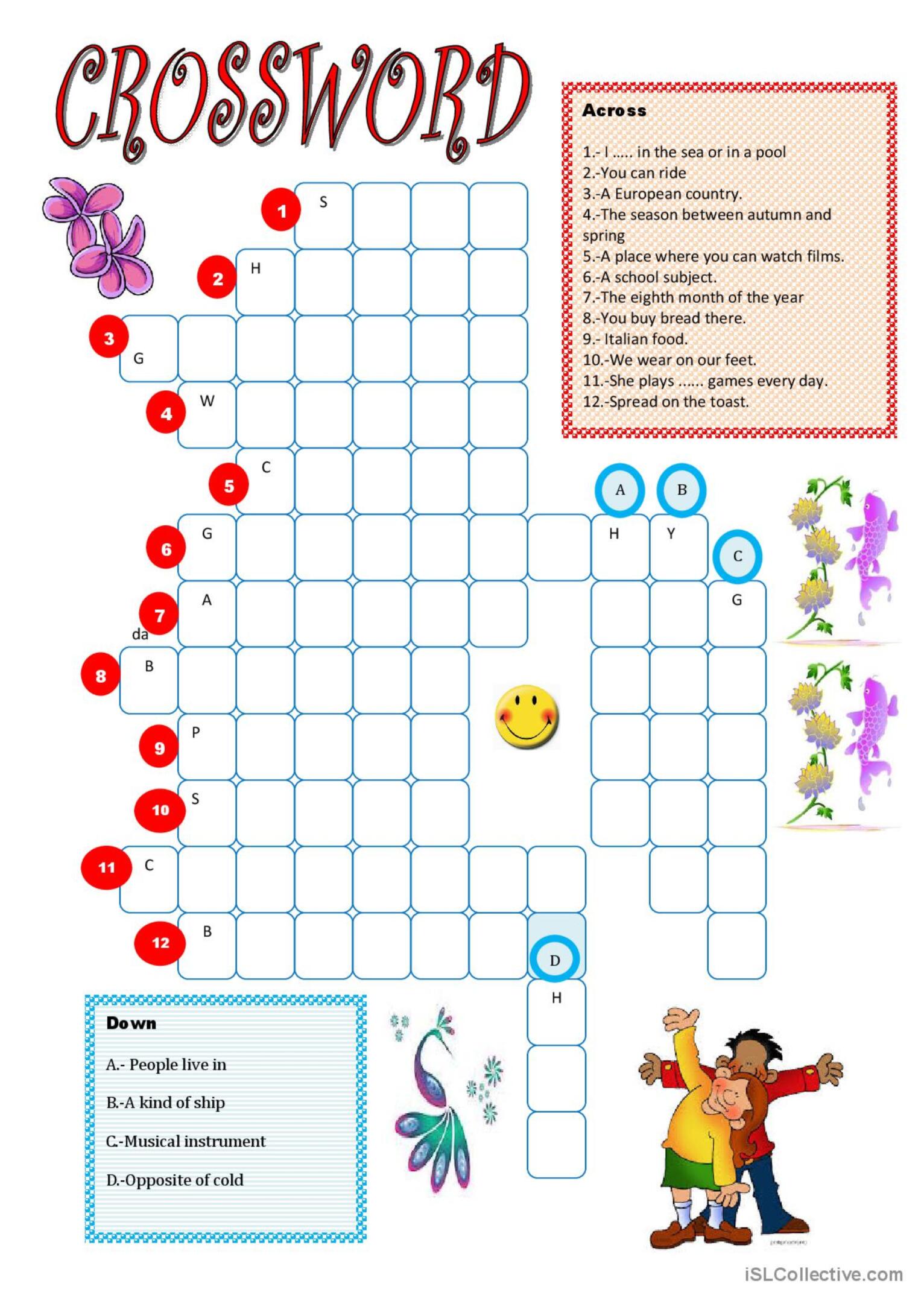
Crosswords typically consist of a grid filled with squares that form words both horizontally and vertically. Clues are given for each word, and students must fill in the grid based on their knowledge. This format allows for various difficulty levels, making it easy to tailor the quiz to your students’ grade levels.
For younger students, use simpler words and clues. For older students, you can introduce more complex vocabulary and subject-specific terms. The flexibility in difficulty means you can adapt the crossword for different subjects too, whether it’s language arts, science, or history.
Benefits of Using Crosswords in Education
Crosswords offer several benefits in an educational setting:
- Engagement: They grab students’ attention and make learning enjoyable.
- Critical Thinking: Solving clues requires analytical thinking, enhancing cognitive skills.
- Vocabulary Development: Students learn new words and reinforce their understanding of familiar terms.
- Assessment Tool: An easy quiz to grade crossword allows for quick assessment of students’ knowledge in a fun format.
These benefits make crosswords an excellent resource for both teachers and parents looking to reinforce learning.
How to Create an Easy Quiz to Grade Crossword
Creating your own crossword can be a straightforward process. Here are practical steps to follow:
- Choose Your Topic: Decide on the subject area or theme for your crossword. This could be related to a lesson plan or a specific unit.
- Select Vocabulary: Compile a list of words that relate to your topic. Aim for a mix of easy and challenging words to accommodate different skill levels.
- Write Clues: For each word, write clear, concise clues. Ensure that they are age-appropriate and relevant to the words selected.
- Design the Grid: Use graph paper or online crossword creation tools to lay out your grid. Make sure the words intersect correctly to fit the crossword format.
- Test It Out: Before using it in class, solve the crossword yourself to ensure there are no errors and that it flows well.
- Provide an Answer Key: An answer key is essential for efficient grading. It saves time and helps you provide immediate feedback to your students.
Where to Use Crosswords
Crosswords can be utilized in various settings:
- Classroom Activities: Use them as a warm-up exercise or a fun end-of-unit assessment.
- Homework Assignments: Send them home for students to complete with their families, encouraging collaborative learning.
- Game Days: Incorporate them into game days or classroom parties as a relaxed but educational activity.
- Substitute Plans: An easy quiz to grade crossword can be an excellent resource for substitute teachers to keep students engaged.
Tips for Grading Crosswords Efficiently
Grading crosswords can be time-consuming if not managed well. Here are some tips to streamline the process:
- Use a Rubric: Create a simple rubric that outlines how many points each word is worth. This will help you grade quickly and fairly.
- Peer Grading: Encourage students to swap their completed crosswords for grading. This not only saves you time but also reinforces their understanding of the material.
- Digital Options: If your students are tech-savvy, consider using online crossword tools that automatically grade the quizzes for you. This can save time and reduce errors in grading.
- Provide Feedback: Use the grading process as an opportunity to give feedback. Highlight areas where students excelled and where they can improve.