3 4 Letter Crossword Puzzles Printable
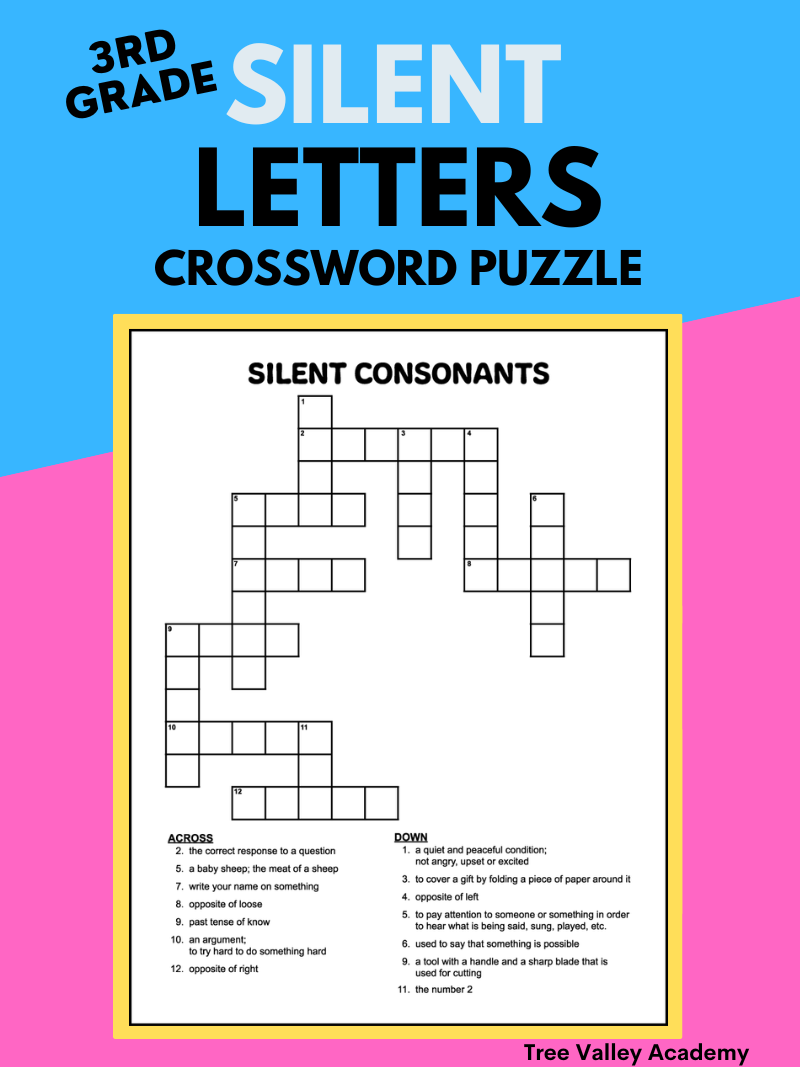
The classroom was buzzing with excitement as Mrs. Thompson handed out freshly printed worksheets. Among them were the delightful 3 4 letter crossword puzzles printable that she had prepared for her students. These puzzles serve not just as a fun activity, but as an excellent tool for reinforcing vocabulary skills and encouraging critical thinking in young learners. If you are a teacher looking for a quick classroom resource or a parent seeking engaging activities for home, these printable puzzles fit the bill perfectly.
Why Use 3 4 Letter Crossword Puzzles?
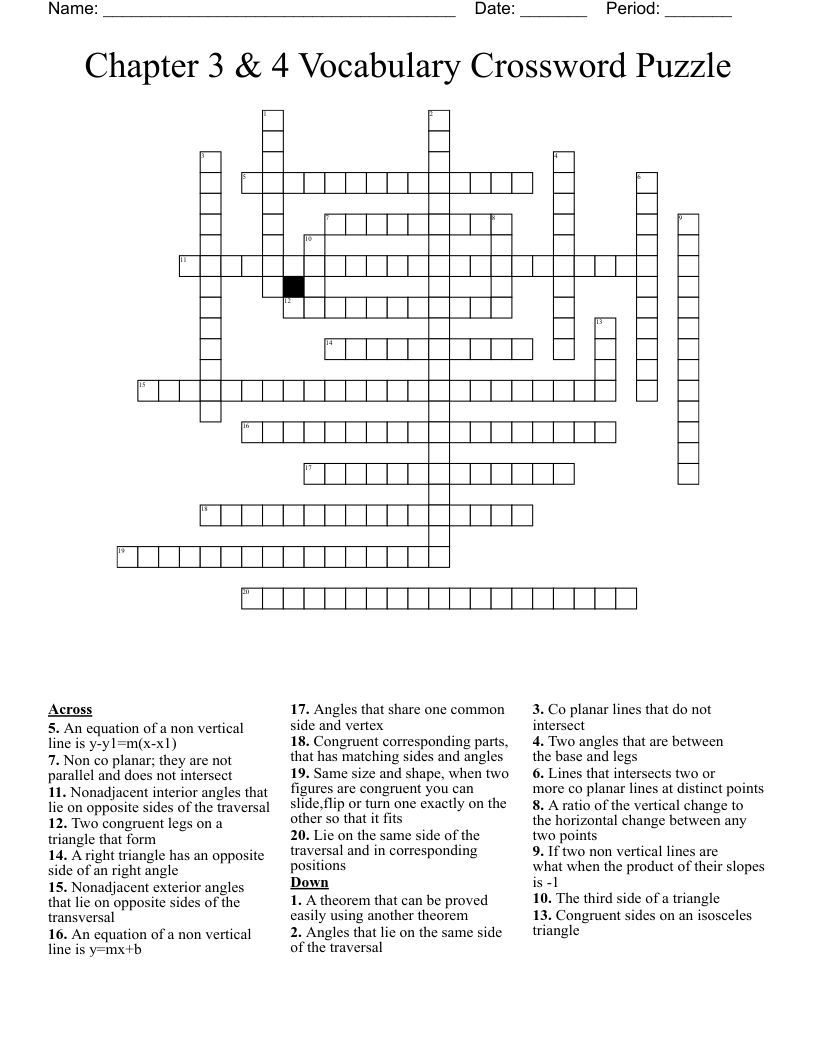
Using crossword puzzles in educational settings offers numerous benefits. For younger students, particularly those in grades 1 through 4, 3 4 letter crossword puzzles are ideal. They introduce basic vocabulary and spelling in a fun, interactive way, allowing students to learn without the pressure of traditional rote methods.
Additionally, these puzzles can be tailored to different subjects. You can create themed puzzles around vocabulary words from a recent lesson, or even use them to introduce new terms. This flexibility allows you to adapt the puzzles to various learning objectives, making them a versatile resource for both teachers and parents.
Setting Up the Activity
To get started with 3 4 letter crossword puzzles, you’ll need a few basic supplies. Here’s what you should consider:
- Paper: Standard printer paper (8.5 x 11 inches) works well for most classrooms. If you want the puzzles to last longer, consider using cardstock.
- Pencils or Crayons: Having enough writing tools will keep students engaged and ready to work.
- Space: Ensure there’s enough room for students to spread out their puzzles, especially if they’re working in pairs or small groups.
Once you have your materials ready, you can print the puzzles. It’s usually best to adjust your printer settings to a portrait layout to ensure everything fits nicely on the page.
Tips for Using Crossword Puzzles in the Classroom
Integrating 3 4 letter crossword puzzles into your lesson plans can be seamless if you follow some practical tips:
- Introduce Before Assigning: Take a few minutes to explain how crossword puzzles work. Show examples and clarify how to fill in the answers based on the clues.
- Pair Work: Encourage students to work in pairs. This not only fosters collaboration but also allows them to discuss their thoughts and ideas, enhancing their learning experience.
- Timed Challenges: For added excitement, turn it into a timed challenge. See who can complete their puzzle the fastest while still being accurate. This can motivate students to think quickly and engage more deeply with the material.
- Follow-Up Discussion: After completing the puzzles, hold a class discussion about the words they encountered. This helps reinforce vocabulary and gives students a chance to share their thoughts.
- Differentiation: For students who may struggle, consider pairing them with a more proficient classmate or providing hints. You can also create simpler puzzles for those who need more support.
Variations for Repeat Use
To keep the interest alive and allow for repeat use of the same 3 4 letter crossword puzzles, you can implement variations:
- Themed Puzzles: Change the themes based on the season, holidays, or specific subjects. For example, a puzzle focused on animals, weather, or even math terms can provide new challenges.
- Creative Clue Writing: Encourage students to write their own clues for a new set of puzzles. This not only reinforces their understanding of the vocabulary but also allows for creativity.
- Puzzle Exchange: Have students create their own crossword puzzles and exchange them with classmates. This not only diversifies the material but also engages them in the learning process.
Incorporating Technology
If you’re looking for ways to incorporate technology, there are several online platforms where you can create custom crossword puzzles. These platforms often allow you to input your own words and clues, providing a tailored experience for your students. Once created, you can print them out or even send them as digital assignments.
For homework, you might assign students to complete a puzzle digitally, encouraging them to use resources like dictionaries or thesauruses to assist with their answers. This not only reinforces vocabulary but also teaches research skills.