2nd Grade Level Crossword Puzzles
In a bustling classroom, Ms. Thompson watches as her students excitedly gather around their desks, each child eager to solve a new challenge. Today, she has prepared a set of 2nd grade level crossword puzzles that promise to engage their minds while reinforcing vocabulary and spelling skills. These puzzles not only provide a fun break from traditional lessons but also serve as a fantastic opportunity for collaborative learning.
The Benefits of Crossword Puzzles in the Classroom
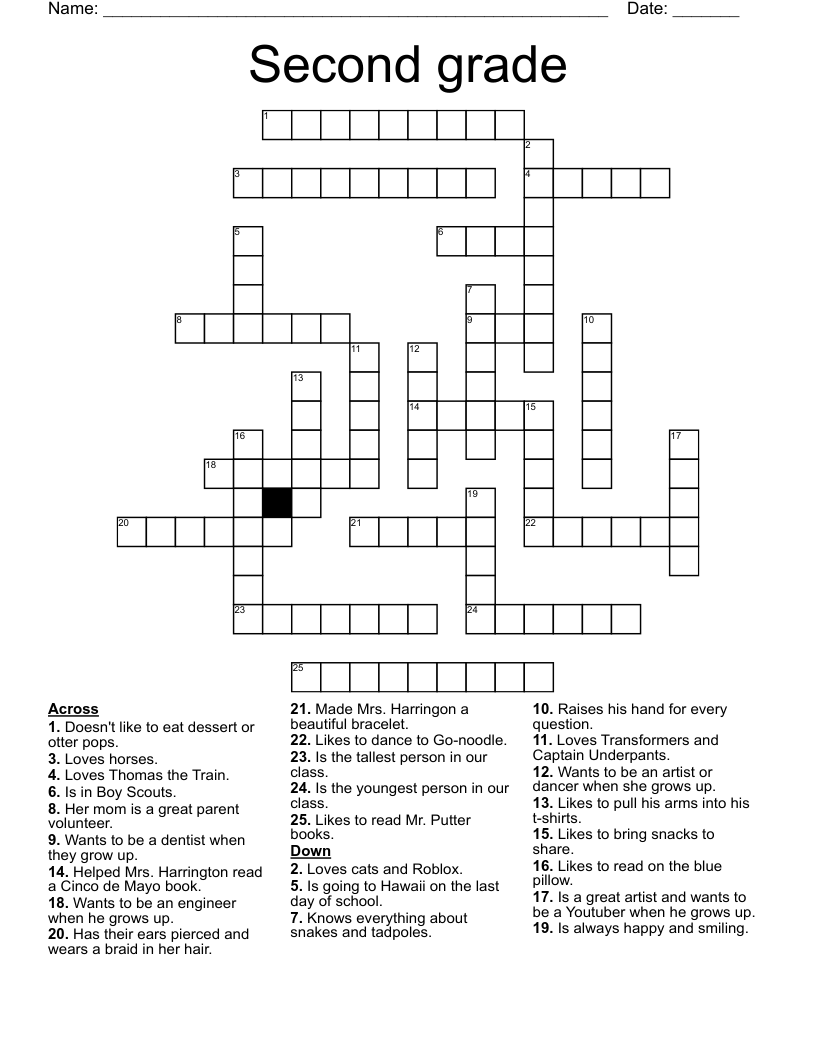
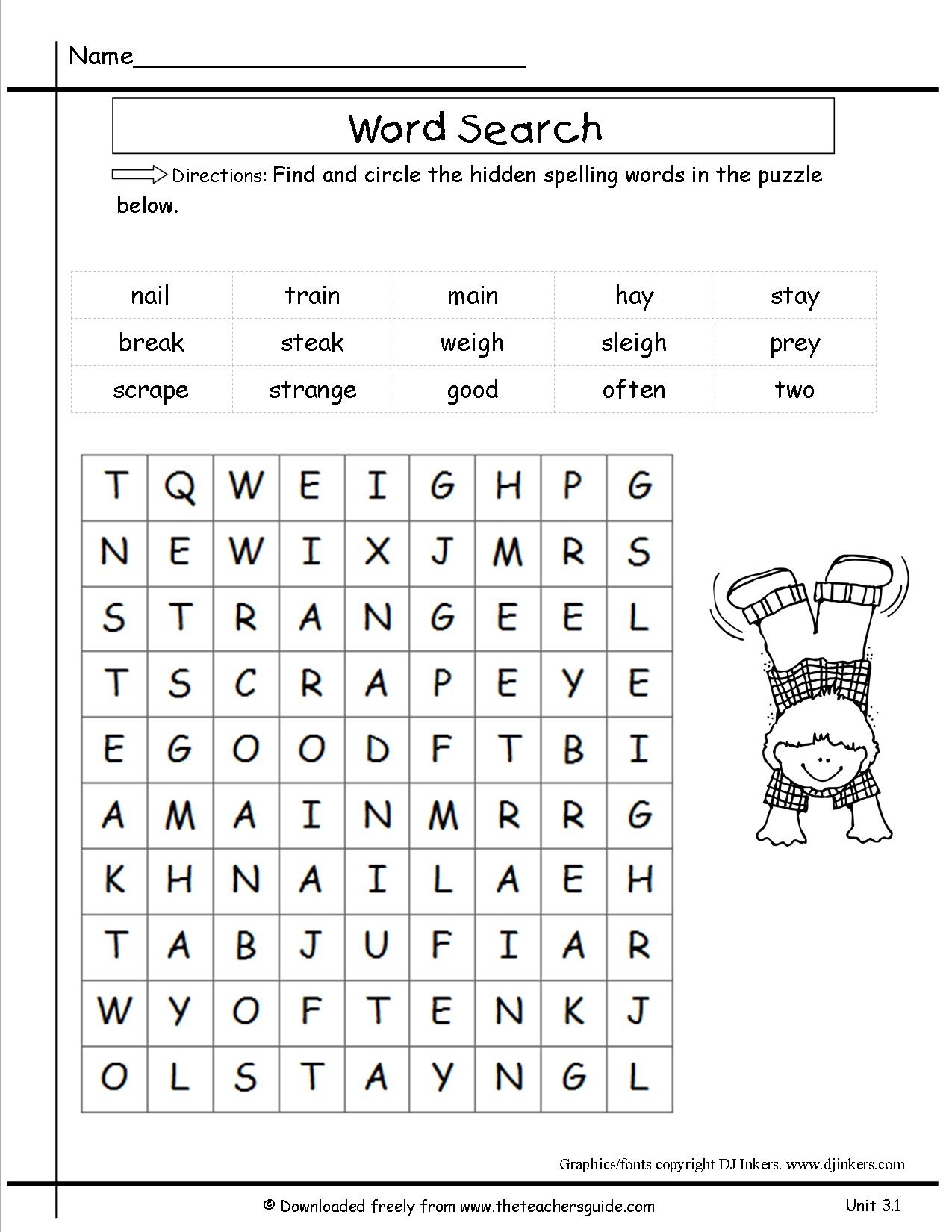
Crossword puzzles offer an array of benefits that align perfectly with the learning objectives for 2nd graders. They help in developing essential skills such as critical thinking, vocabulary acquisition, and spelling. As children work through the clues, they are encouraged to think outside the box, making connections between words and concepts.
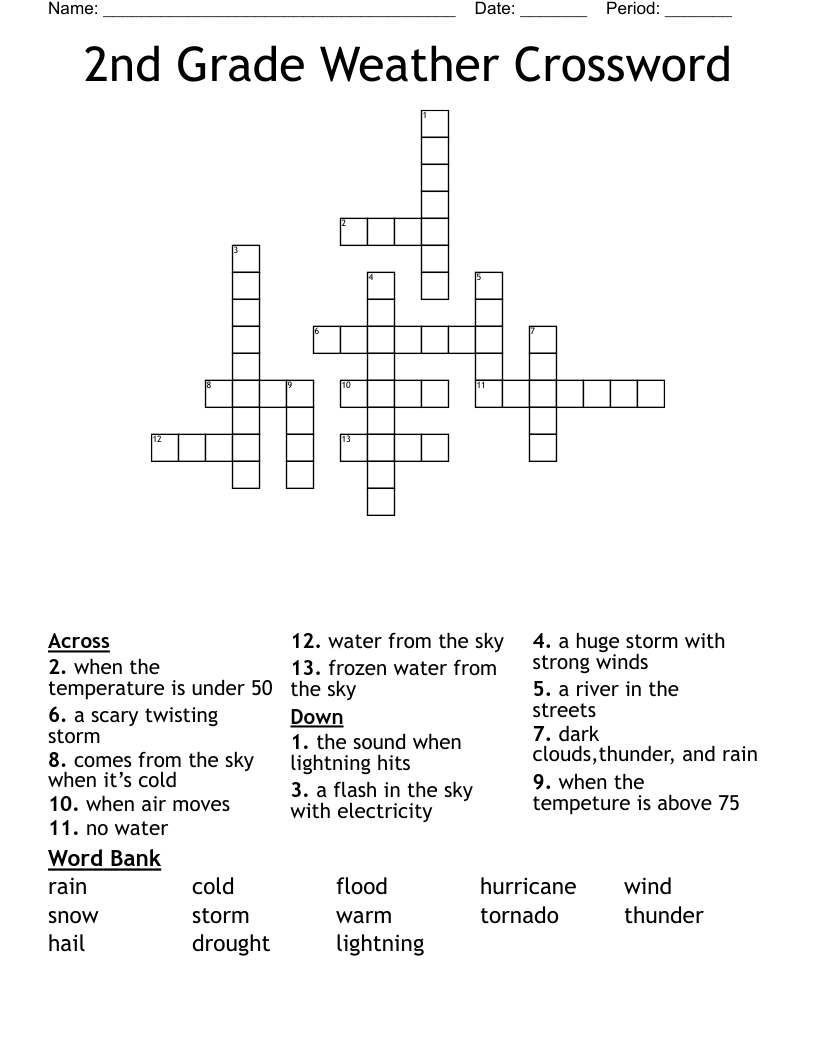
Moreover, these puzzles can be easily integrated into various subjects. For example, a crossword focused on science terms can reinforce vocabulary learned in recent lessons. Using 2nd grade level crossword puzzles not only aids in learning but also adds an enjoyable twist to the educational process.
How to Use 2nd Grade Level Crossword Puzzles Effectively
To make the most out of 2nd grade level crossword puzzles, consider the following practical tips:
- Preparation: Print the puzzles on standard letter-sized paper (8.5” x 11”). This size is easy to handle and fits well within most folders or binders. If possible, laminate the sheets for durability, especially if they will be reused.
- Setting the Scene: Introduce the puzzle as a group activity or a quiet individual task, depending on your classroom dynamics. For a collaborative effort, divide the students into small groups. Each group can tackle different sections, fostering teamwork and discussion.
- Scaling Difficulty: If you find that some students are struggling while others breeze through, consider offering different levels of difficulty. You can create variations by adjusting the clues or providing hints for more challenging words.
- Follow-Up Activities: After completing the crossword, engage students in discussions about the words they encountered. This can be done through creative writing prompts or art projects where they illustrate the words. This approach reinforces learning and makes the experience more interactive.
- Repetition and Variation: Keep the puzzles fresh by rotating them regularly. Use themed crosswords to align with upcoming holidays, seasons, or units in your curriculum. This variety keeps students interested and encourages them to look forward to the next puzzle.
Where to Find Printable Resources
Teachers and parents looking for high-quality 2nd grade level crossword puzzles can find a wealth of resources online. Many educational websites offer free or low-cost downloads. Look for sites that specialize in printable educational materials, ensuring that the puzzles are appropriate for the 2nd-grade reading level.
When searching, use terms like “printable crossword puzzles for 2nd graders” or “free 2nd grade crossword puzzles.” This will help you locate a variety of options tailored to your needs. Ensure the puzzles are visually clear and age-appropriate, focusing on words familiar to 2nd graders.
Tips for Engaging Students With Crossword Puzzles
To maximize engagement, consider implementing these strategies while using crossword puzzles:
- Incorporate Technology: If available, use interactive whiteboards or tablets. Students can fill in puzzles digitally, which adds a layer of excitement. There are also apps designed for creating crosswords that can allow students to design their own.
- Encourage Peer Teaching: Pair students with varying skill levels to promote collaboration. A student who excels in vocabulary can help a peer understand the clues better, fostering a supportive learning environment.
- Create a Crossword Challenge: Organize a friendly competition where students race to complete the puzzle in a set time. This can motivate them to focus and work quickly while enjoying the thrill of competition.
- Feedback and Reflection: After completing the puzzles, ask students what strategies they used to solve the clues. This reflection can help them internalize their learning process and develop better problem-solving skills.